Supplementary Materials
Exploring High-Dimensional Spaces: Evaluation of a Node-Based Interface for Neural Audio Synthesis
This page collects the supplementary material accompanying the paper: a live build of the interface running in the browser; the complete source of the interface, backend and analysis; the synthetic dataset one of the neural decoders was trained on, together with the code that generates it; and all raw data collected from the user study.
Live demo #
The proposed node-based interface and the slider baseline, running in the browser with the neural decoder executing locally — no audio or usage data leaves your machine.
-
fulldim-interface in the browser
Choose New Node Scene or New Slider Scene to try either condition directly.
Needs a current desktop browser with WebGL 2 and WebAssembly; the decoders are downloaded on first load, so give it a moment. Audio starts after the first click, as browsers require.
Open the demo
Interface, backend and analysis code #
The node-based interface and the slider baseline, the inference backend driving the RAVE decoder in real time, and the analysis scripts that produce every statistic and figure reported in the paper.
-
fulldim-interface
The
github.com/leoauri/fulldim-interface @ publicationpublicationbranch is the frozen state of the repository as used for the experiment and the reported analysis.
Summed sine dataset and generator #
Participants could choose between two RAVE decoders. One was trained on GTSinger; the other on the synthetic dataset of summed sine tones published here, which yields a timbral space of inharmonic, spectrally varied sounds.
-
mixtones — training dataset
430 WAV files, 1.71 GB unpacked. Mono, 44.1 kHz, 32-bit float. Every clip layers a random number of sine tones with independently randomised frequency, amplitude and delay–attack–sustain–release envelope, passed through a reverb tail and normalised. The set was written in two runs:
mixtones.zip000000–000399at 220 samples (23.8 s) and000400–000429at 218 samples (5.9 s). -
Two examples from the dataset
Converted to 16-bit for playback in the browser; the dataset itself is 32-bit float throughout.
000000.wav000200.wav -
tone-datagen
The generator used to produce the dataset above. Generation is unseeded, so running it reproduces the characteristics of the dataset rather than the exact files — the clips used for training are those in
github.com/leoauri/tone-datagen @ publish-EHDSmixtones.zip.
Raw experimental data #
Everything collected from the sixteen participants of the within-subject study, one directory per
participant (p01–p16).
-
Experiment data, screenshots and questionnaire responses
Per participant, under
experiments/:condition_{first,second}_preset.json— the completed preset at the end of each condition, as full 128-dimensional vectors;condition_{first,second}_preset.png— a screenshot of the interface in its final state;condition_{first,second}_demo.csv— demonstration data, every vector change timestamped across all 128 dimensions;metadata.jsonandsession.json— experiment metadata and timing data, including condition order, per-condition start, end and duration, selected model and consent record;csi_first.json,csi_second.json,csi_paired.jsonandgoldmsi.json— questionnaire responses, each item recorded with its text, its id and the order in which it was presented.The
screenshots/folder holds the same preset screenshots named by condition (pNN_node_scene.png,pNN_slider_scene.png) rather than by presentation order, as consumed by the analysis scripts.Data is pseudonymised: participants appear only as
ehds-raw-data.zipp01–p16, and no demographic responses beyond the Gold-MSI items are included.
Final presets, all participants #
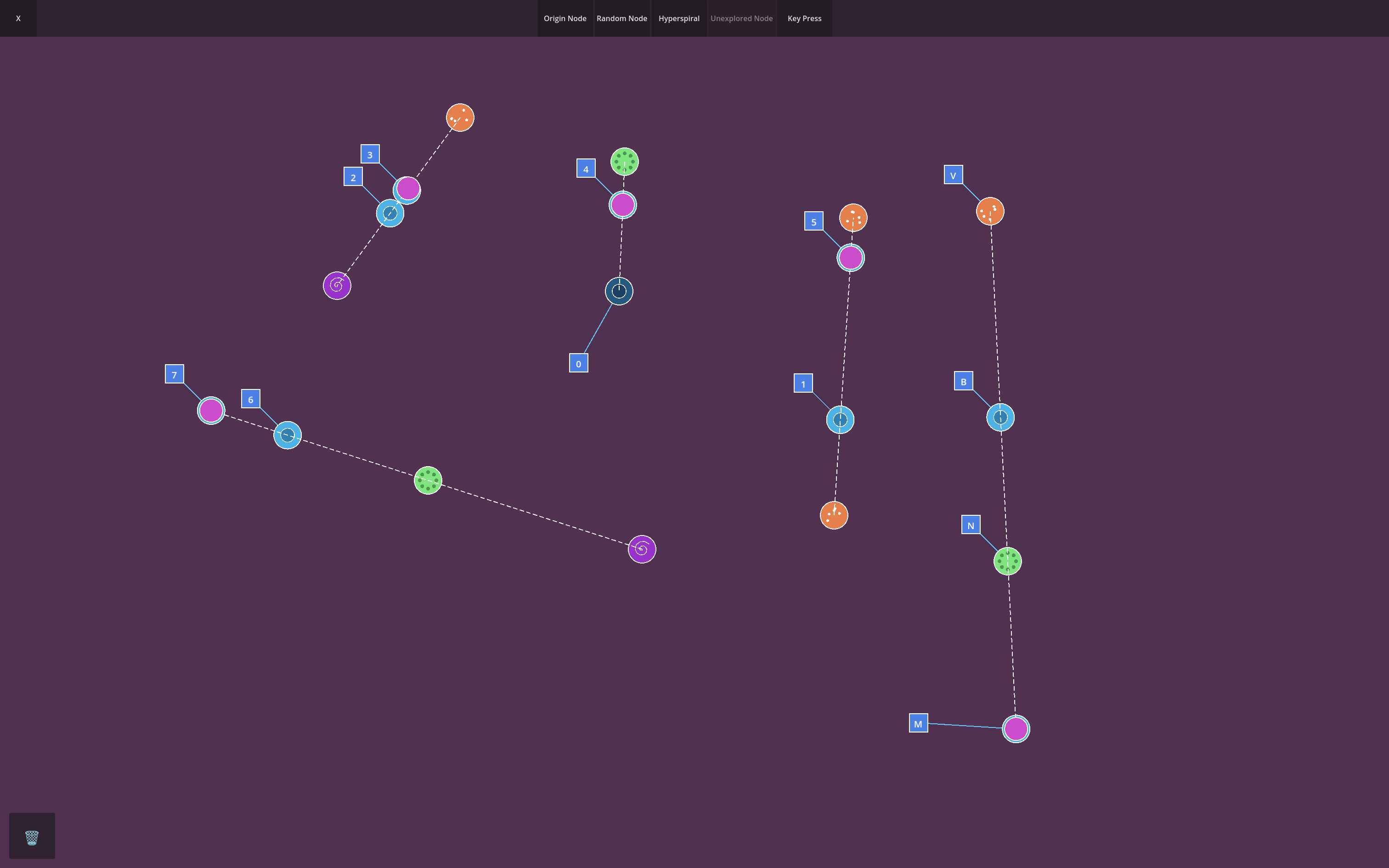
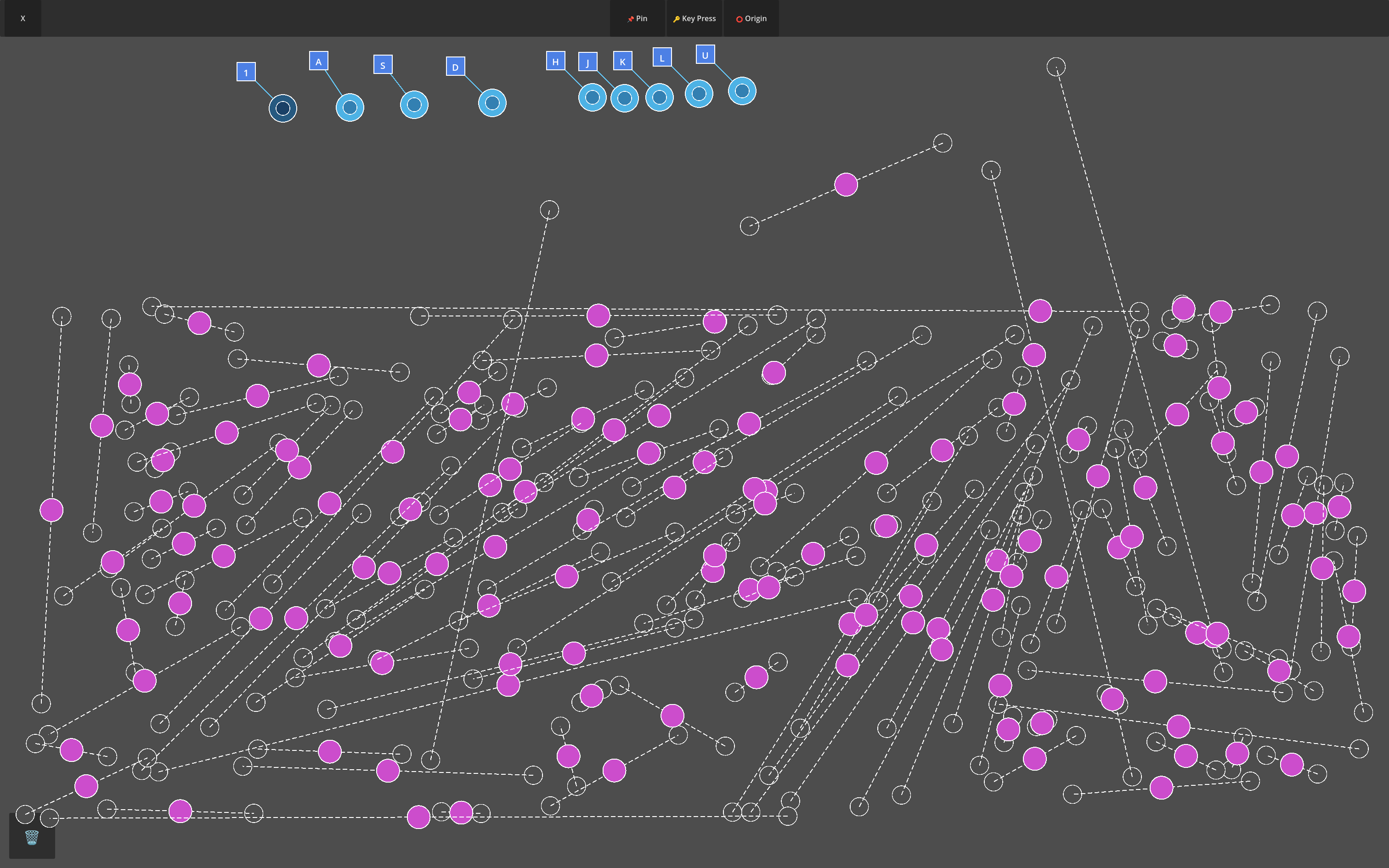
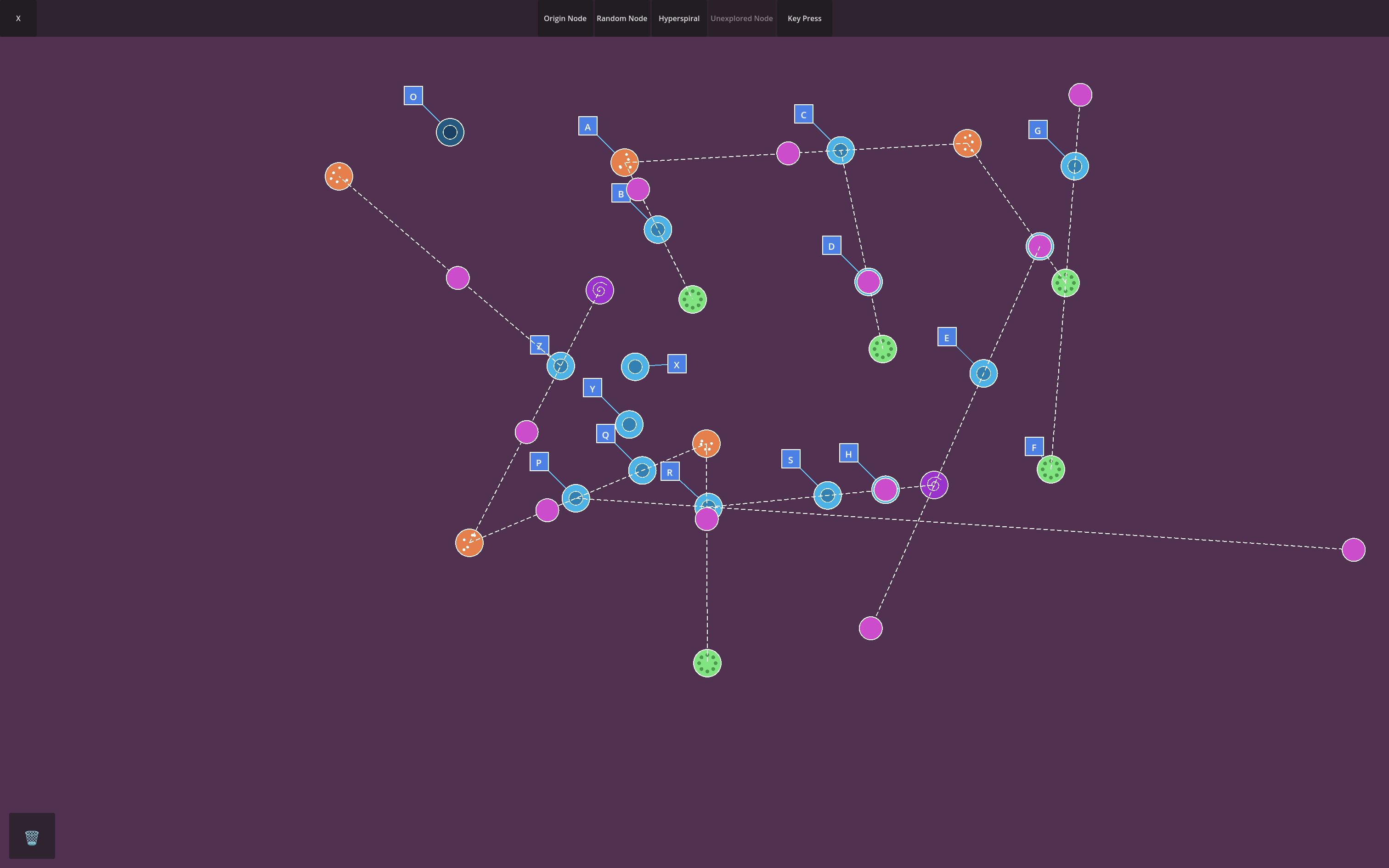
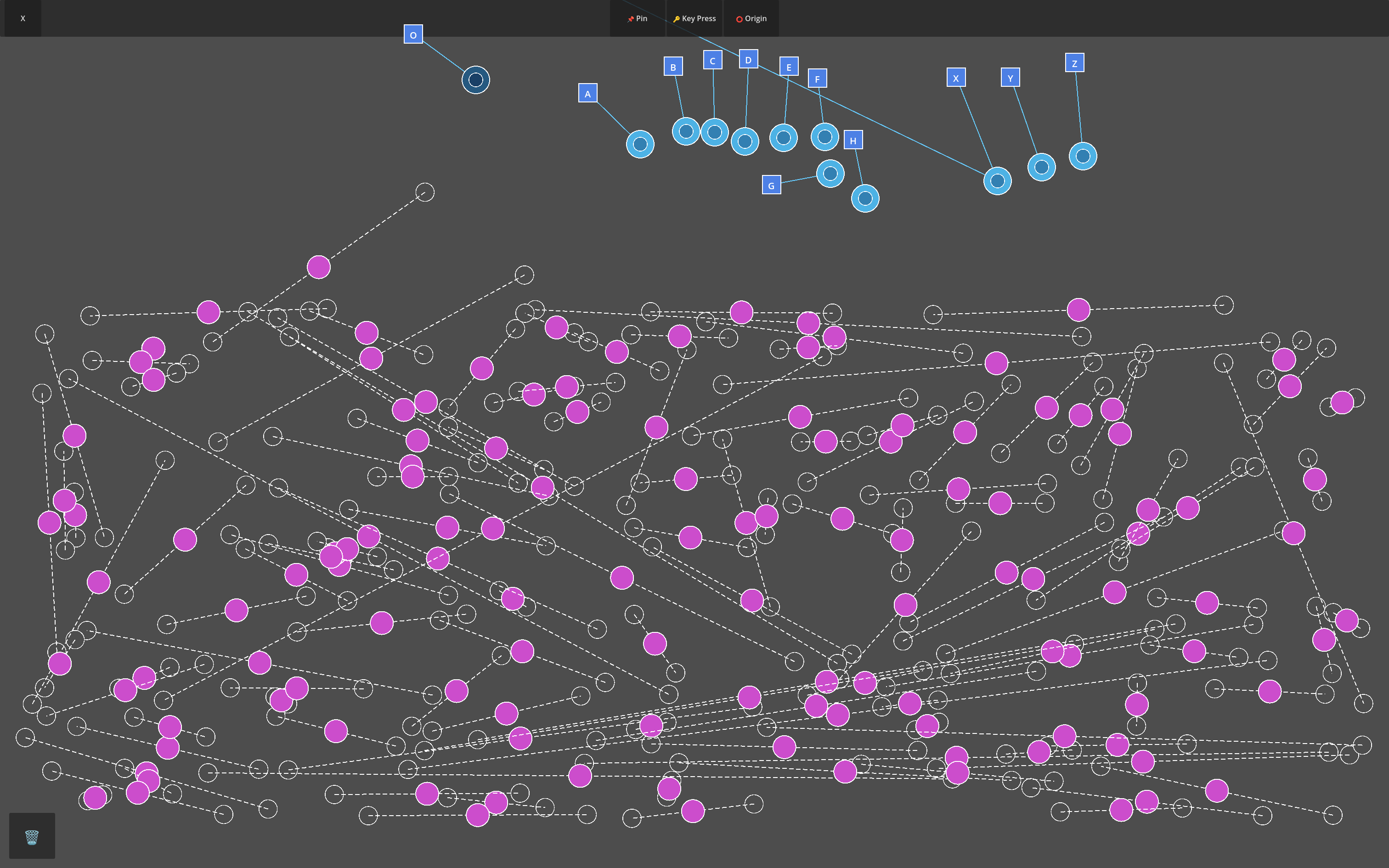
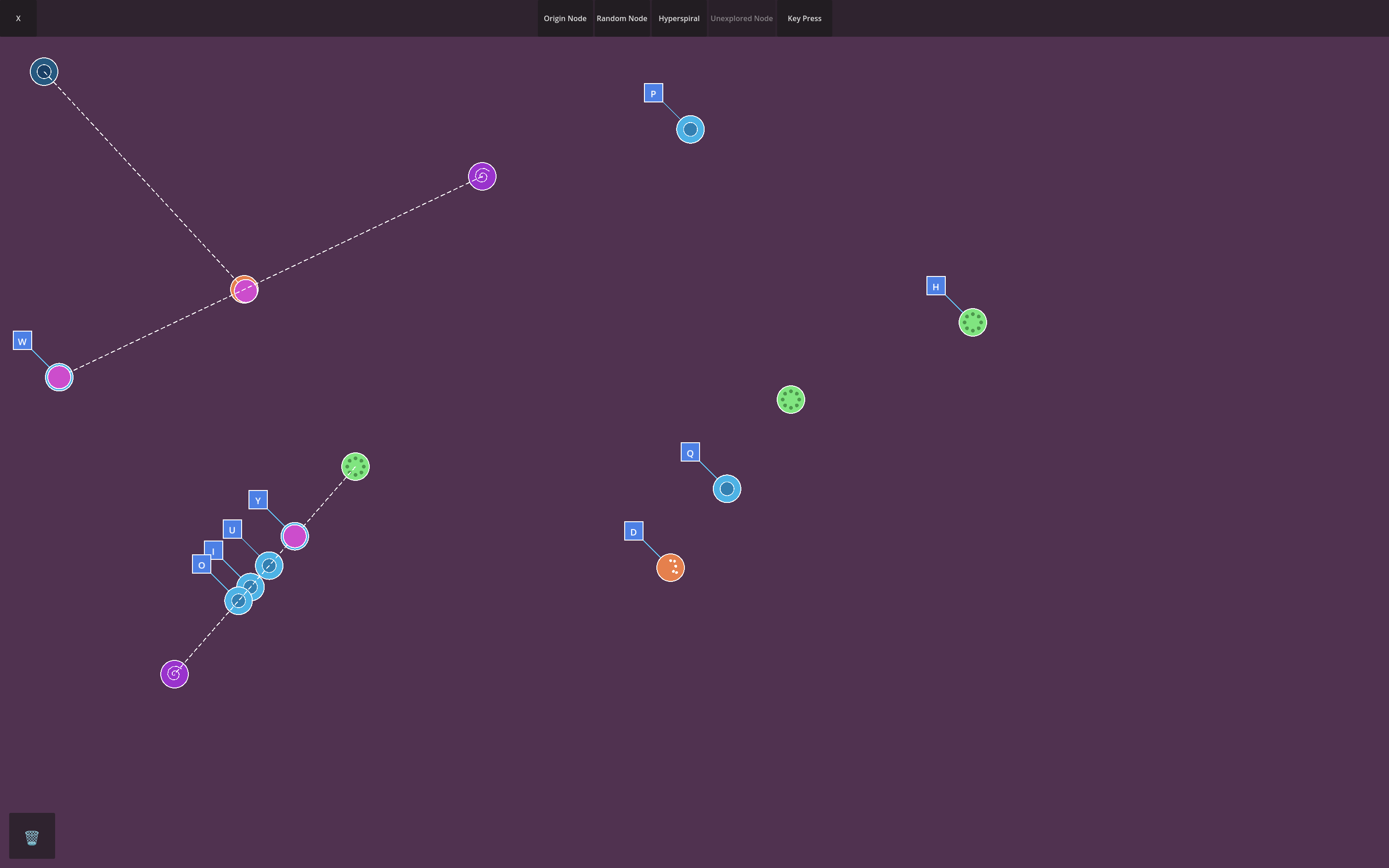
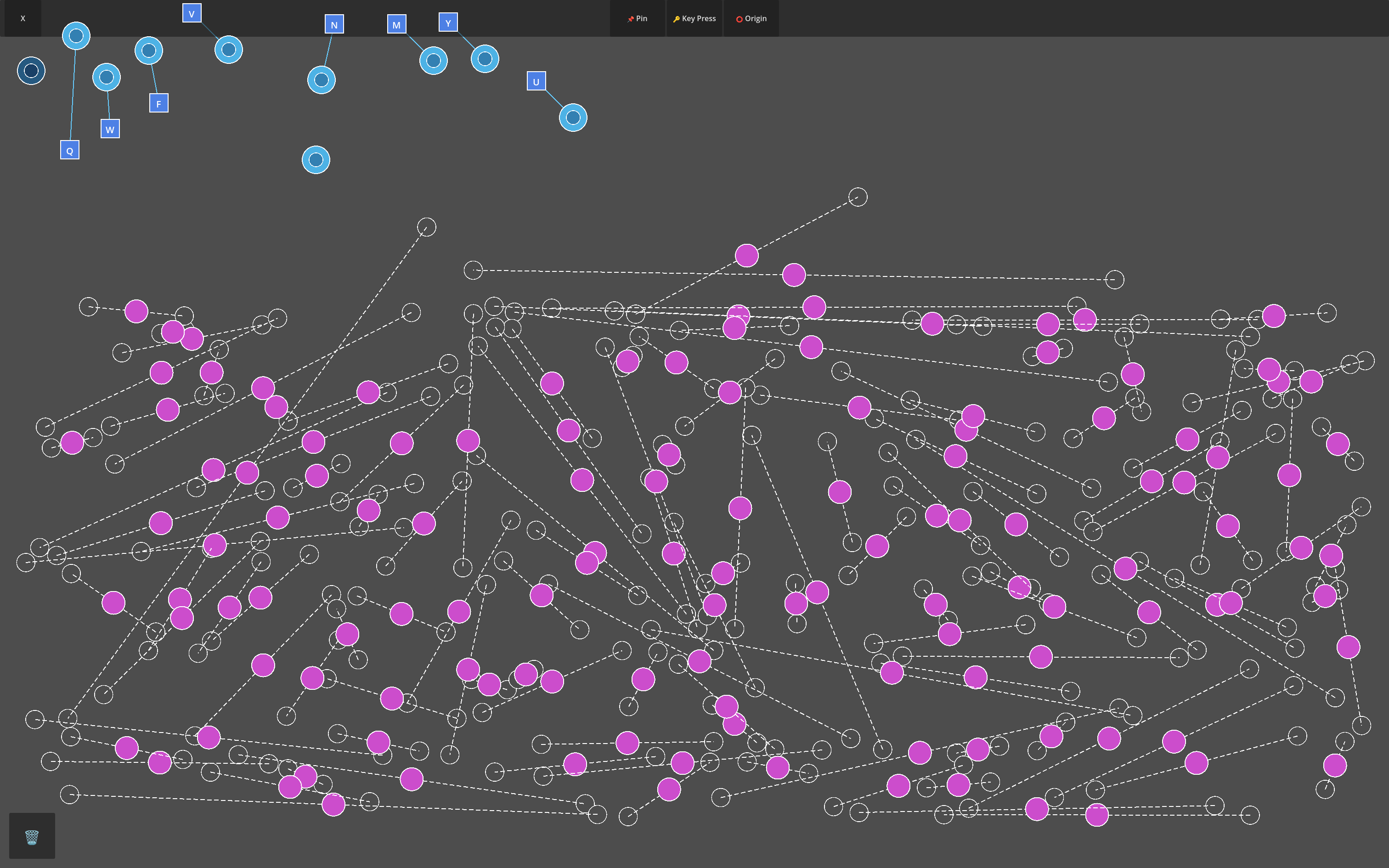
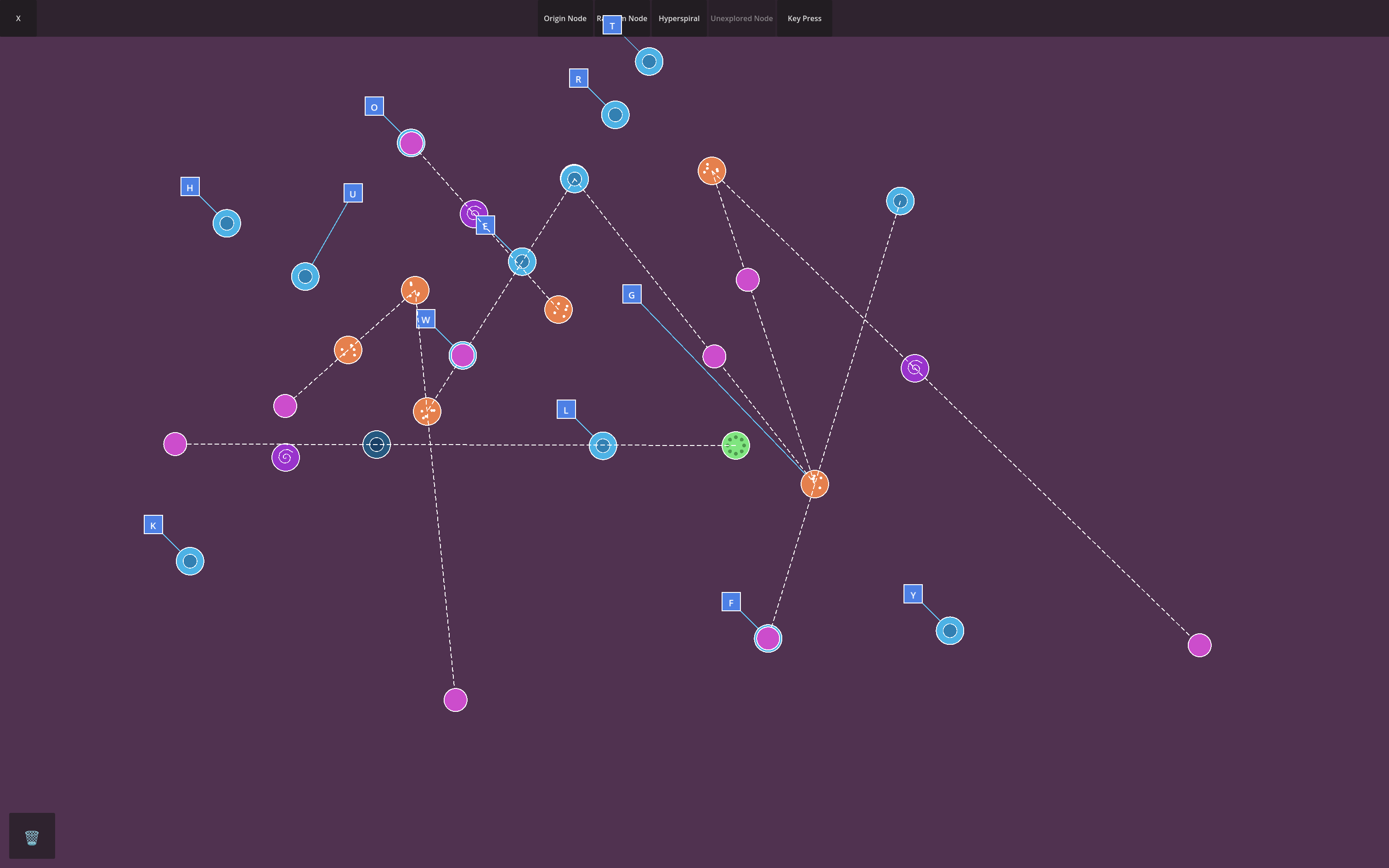
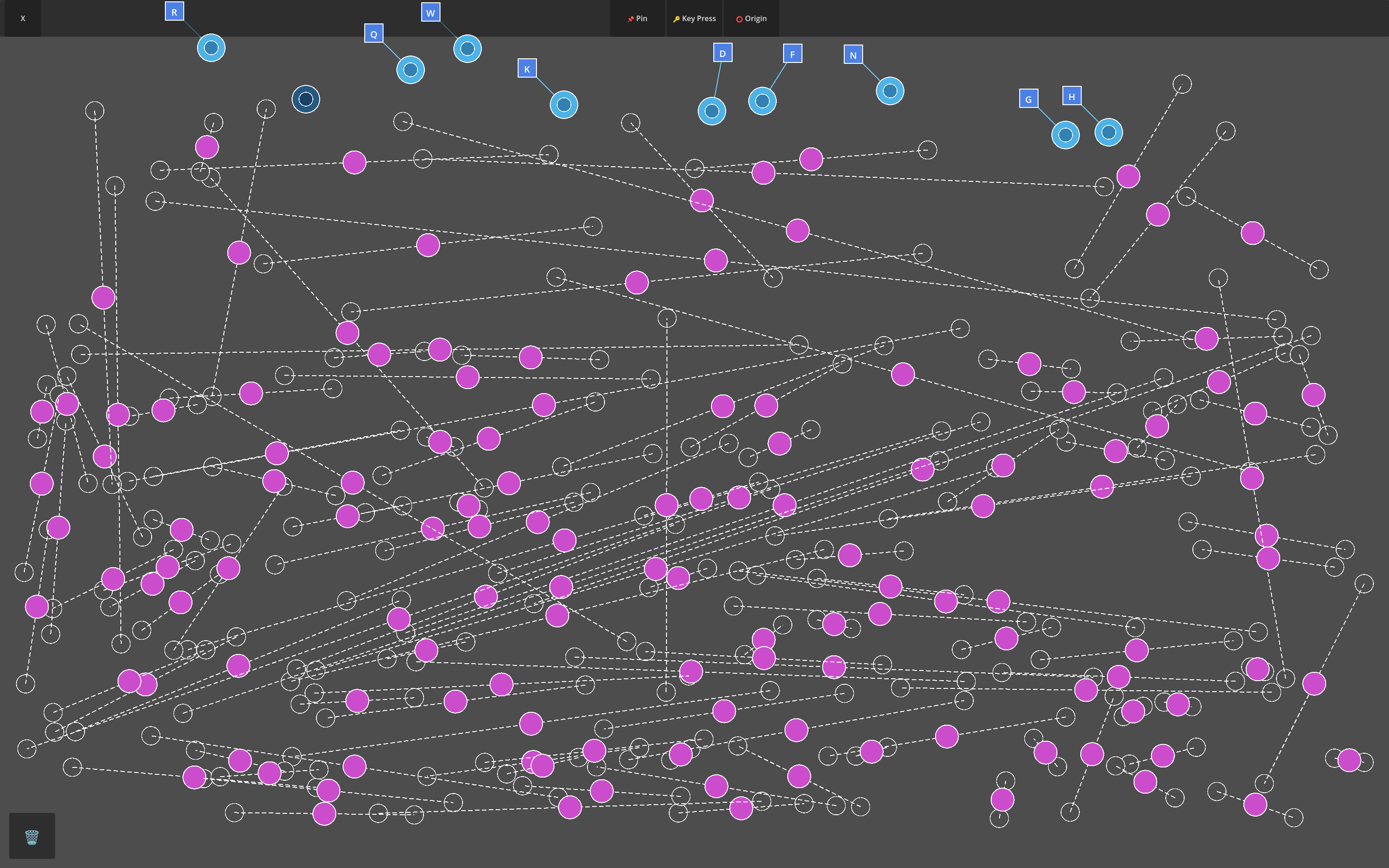
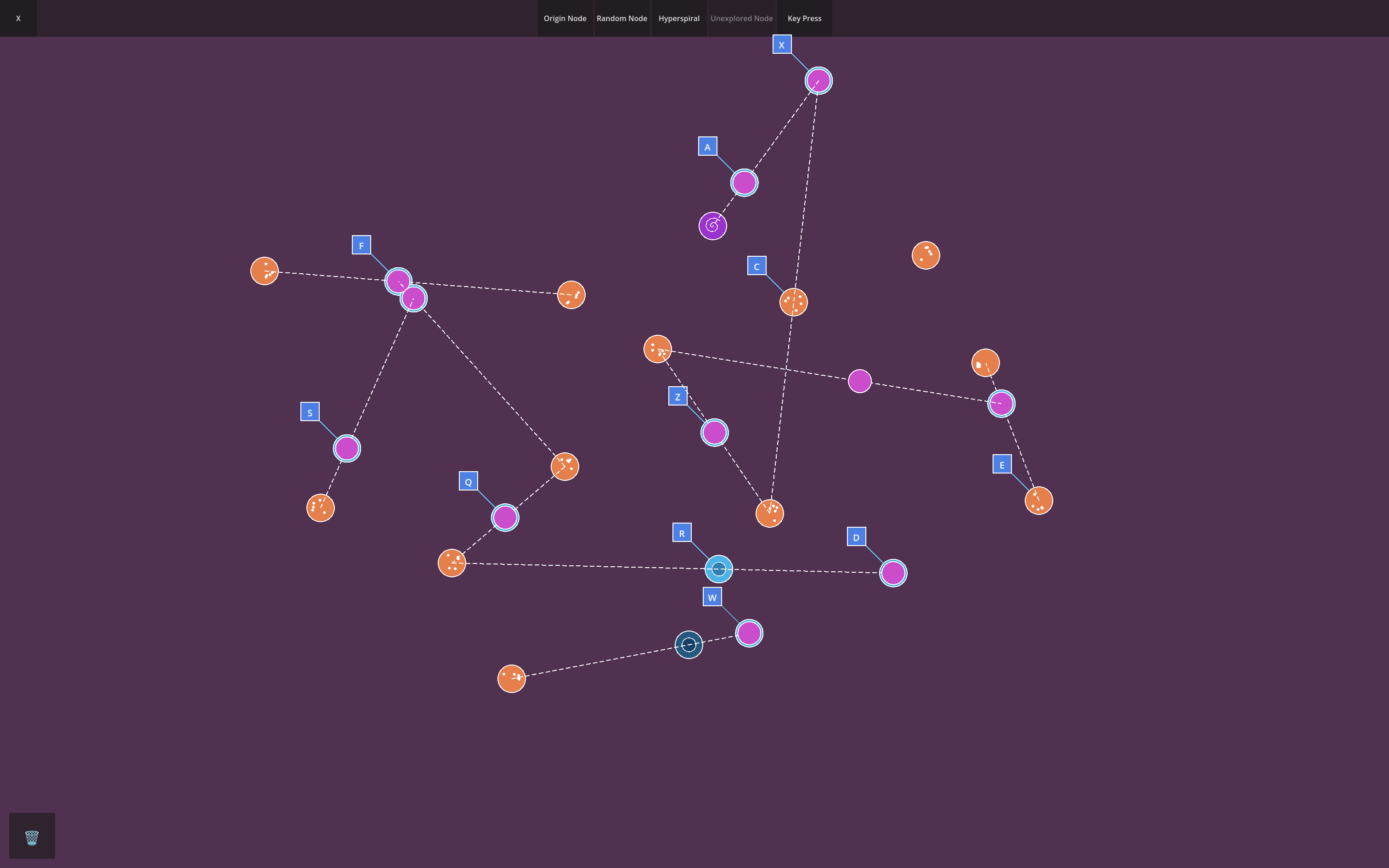
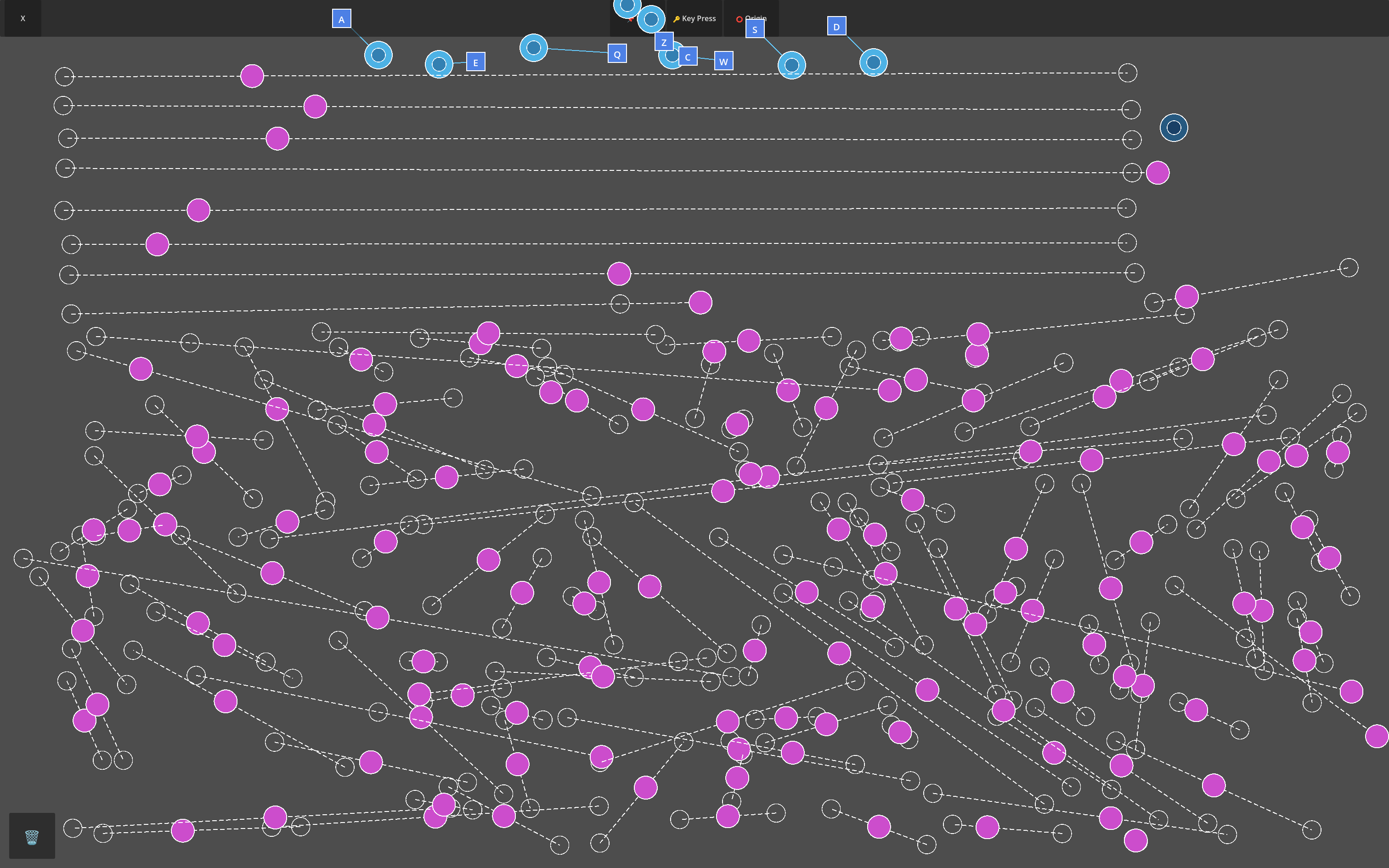
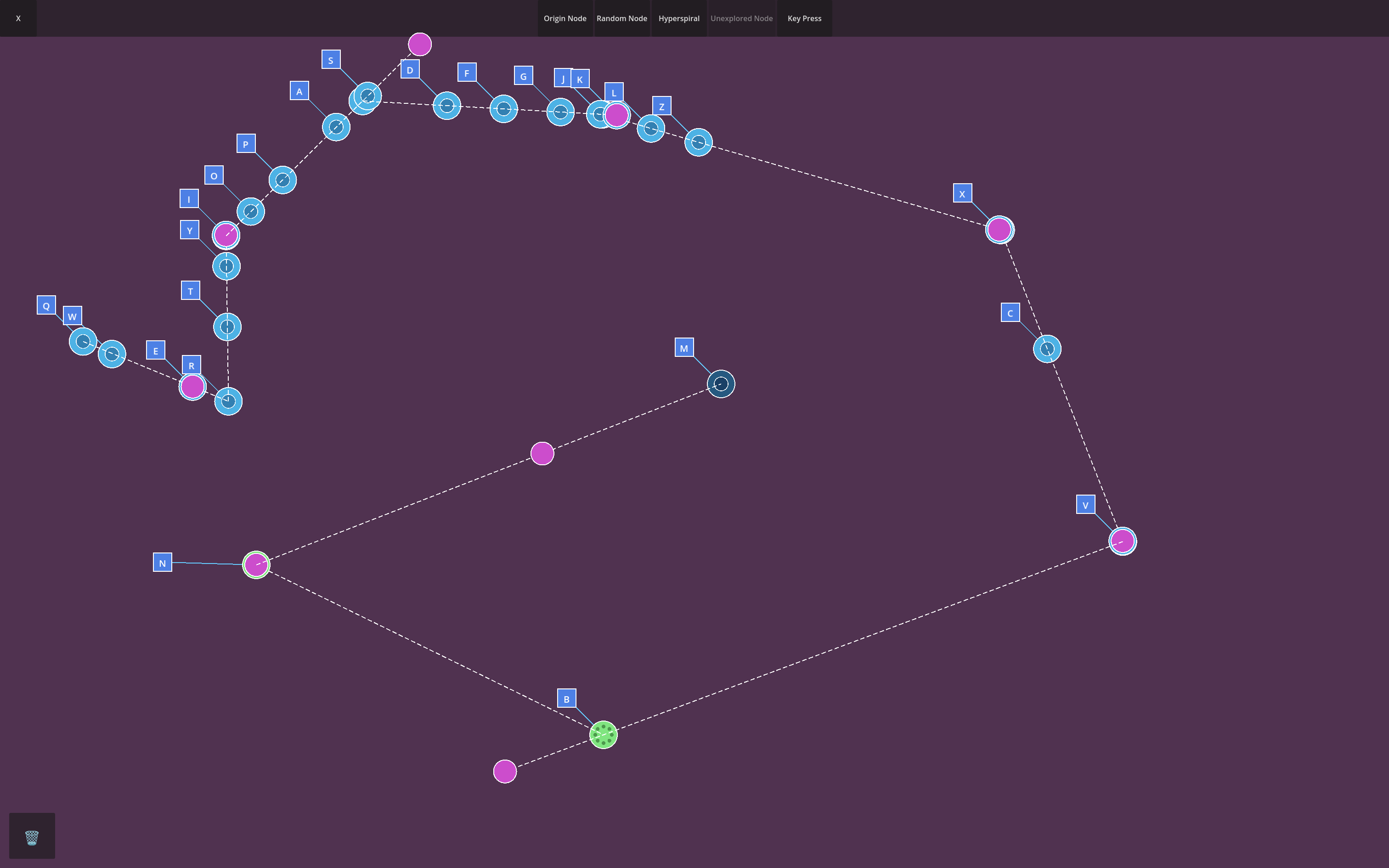
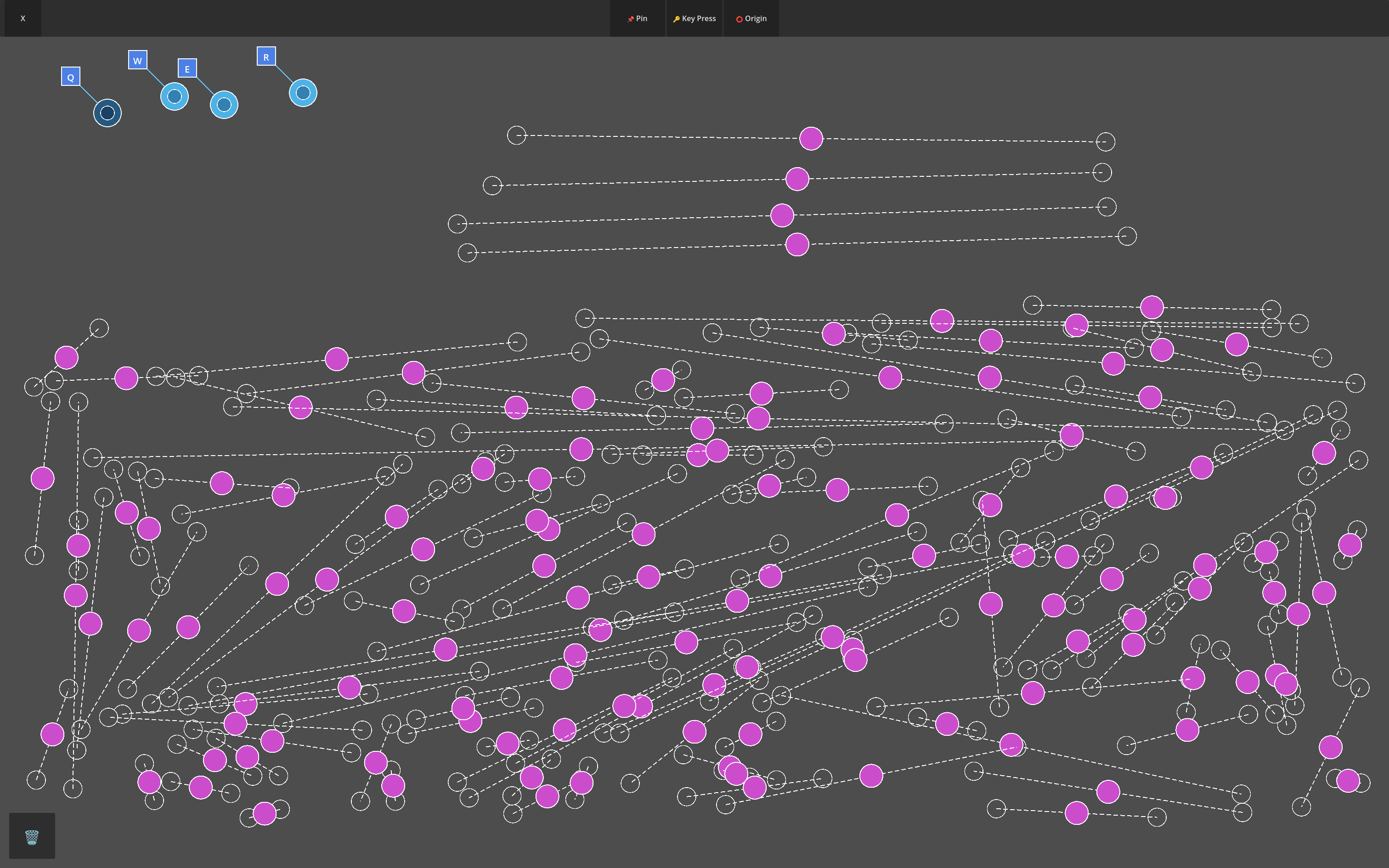
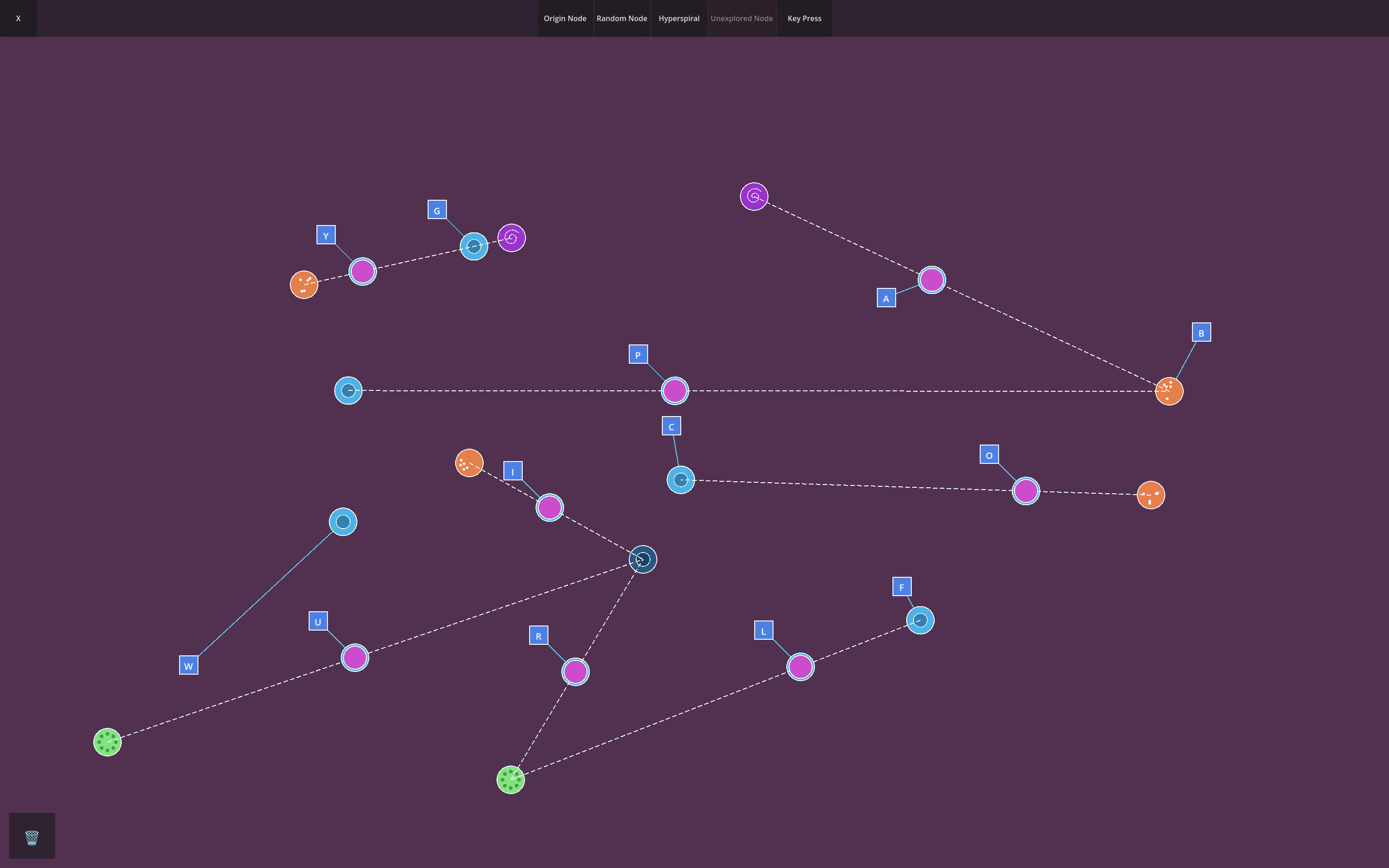
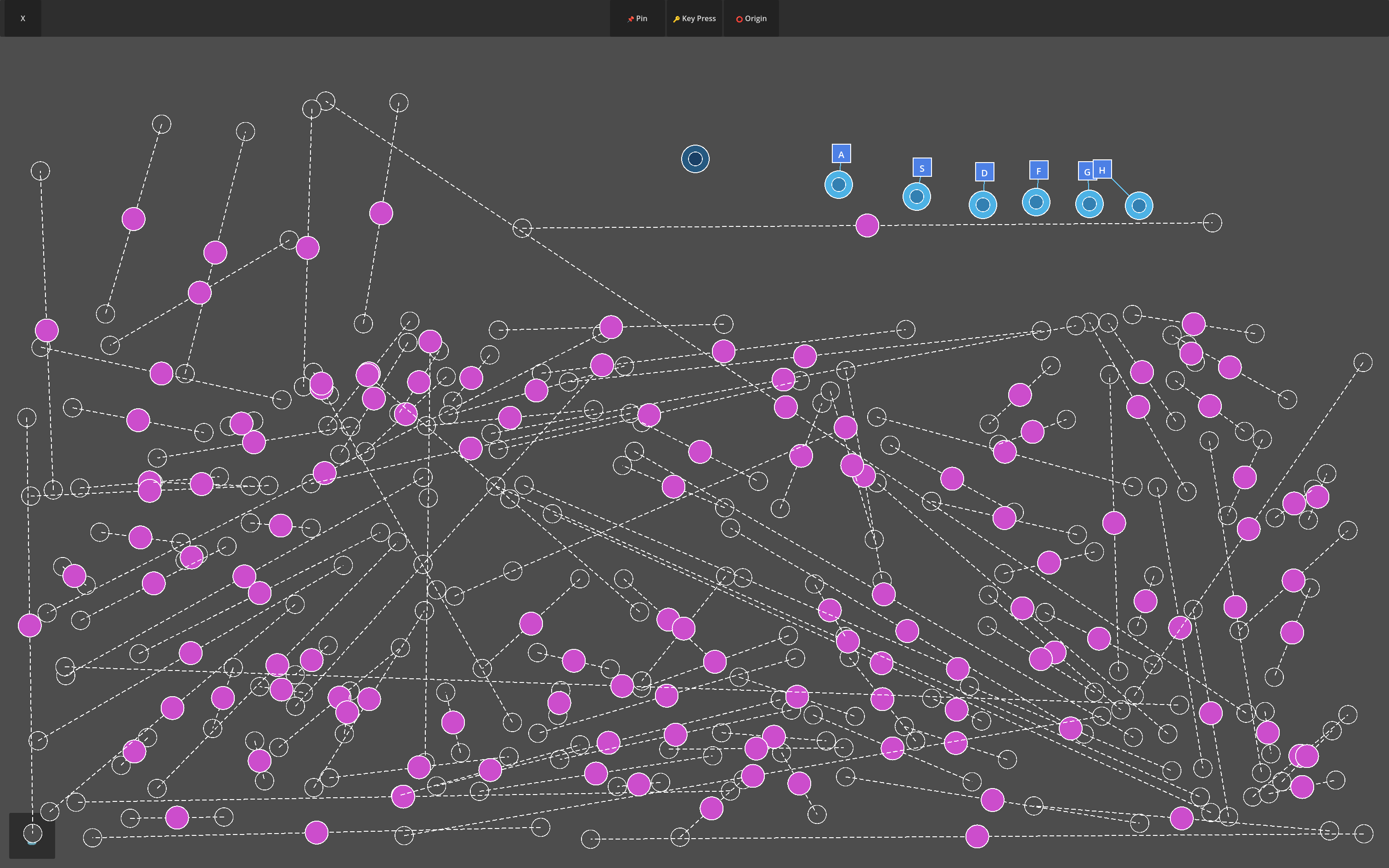
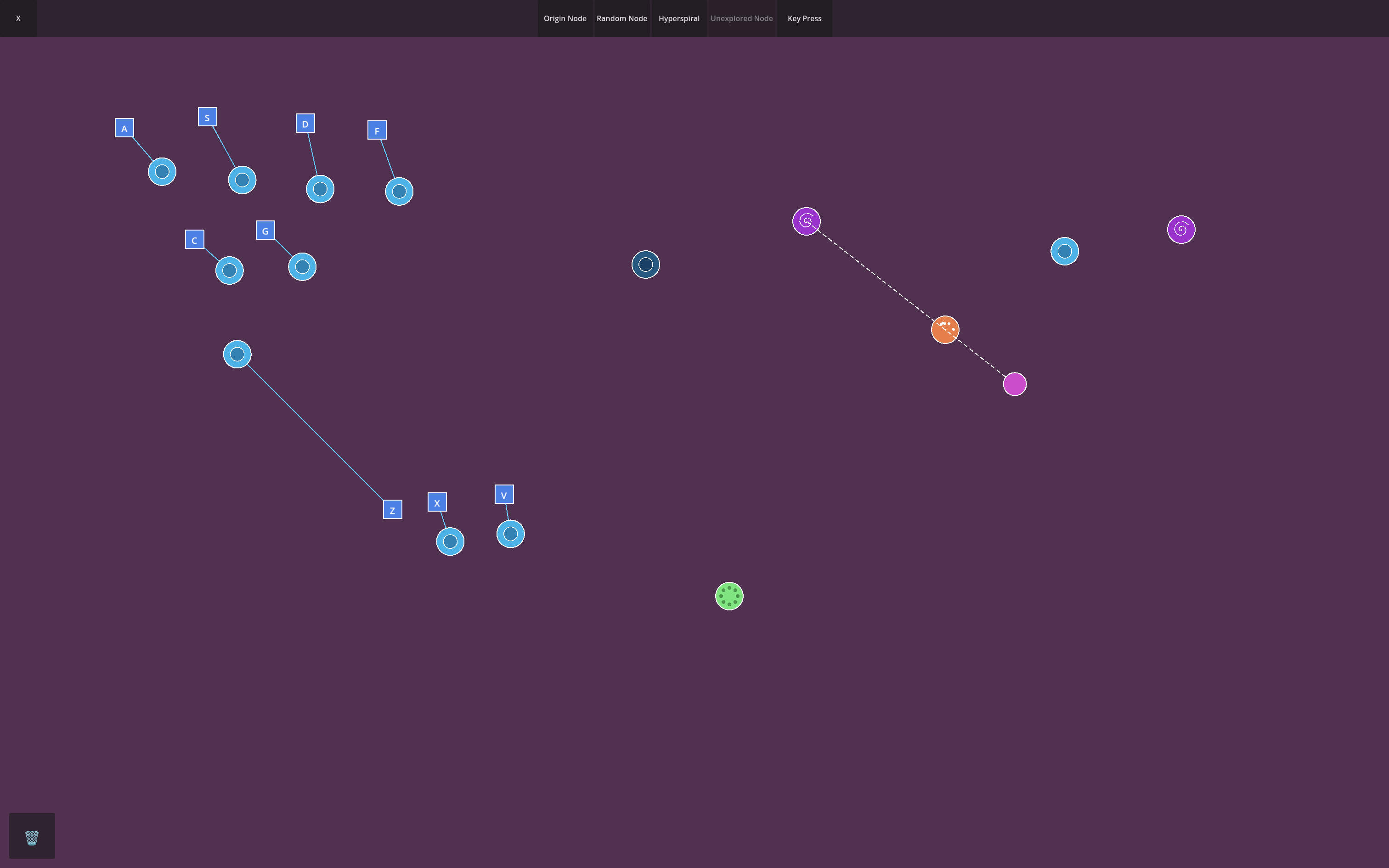
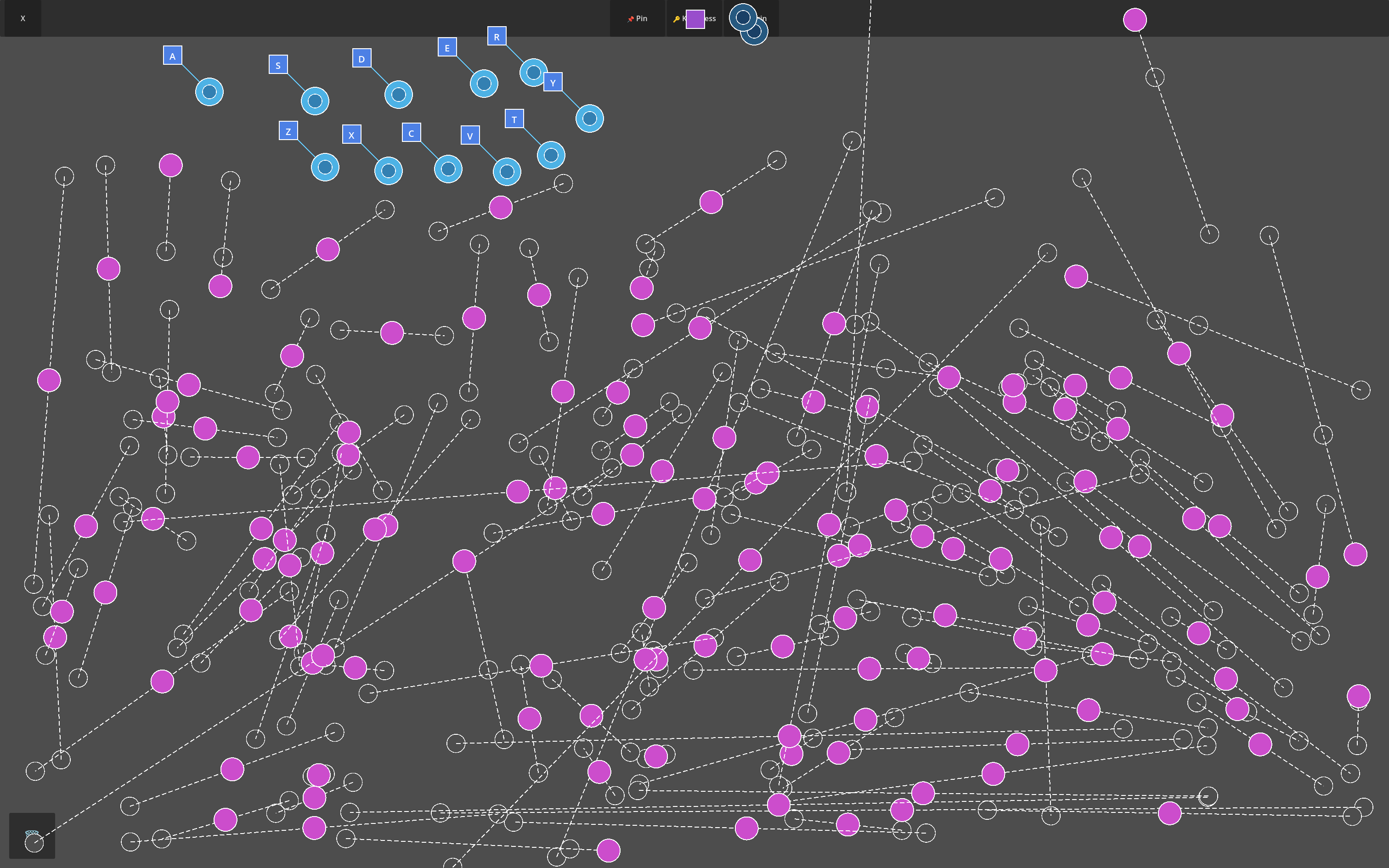
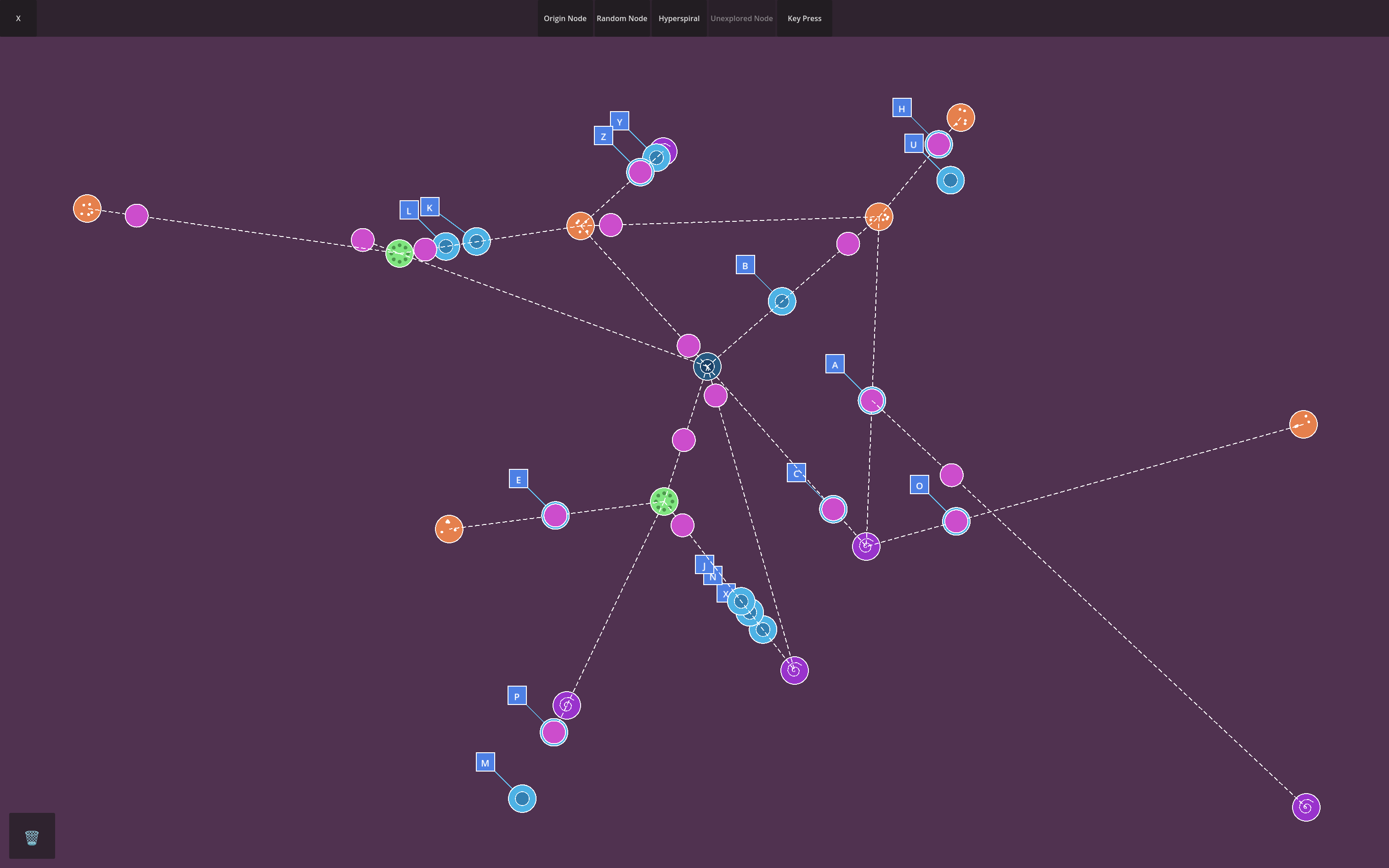
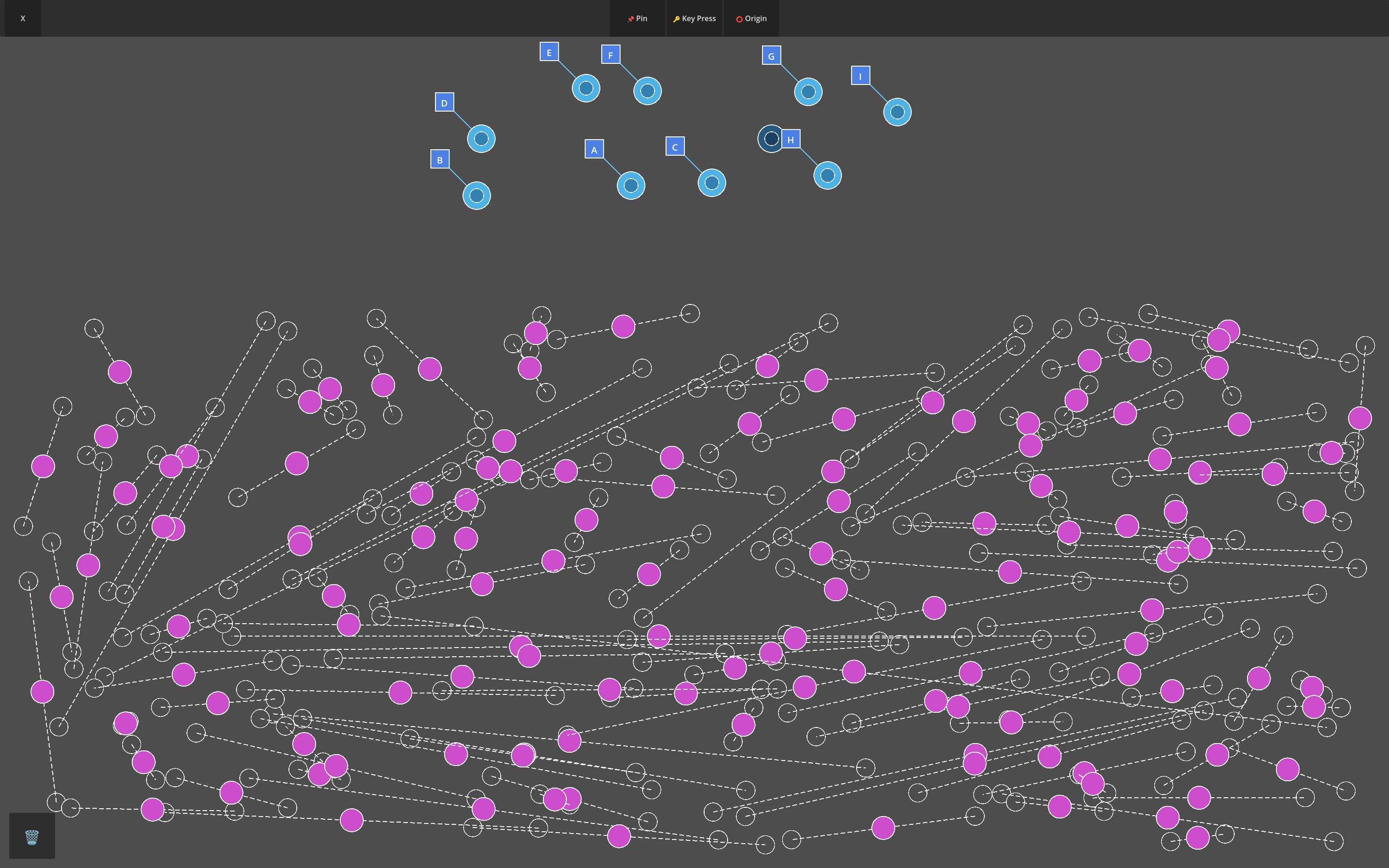
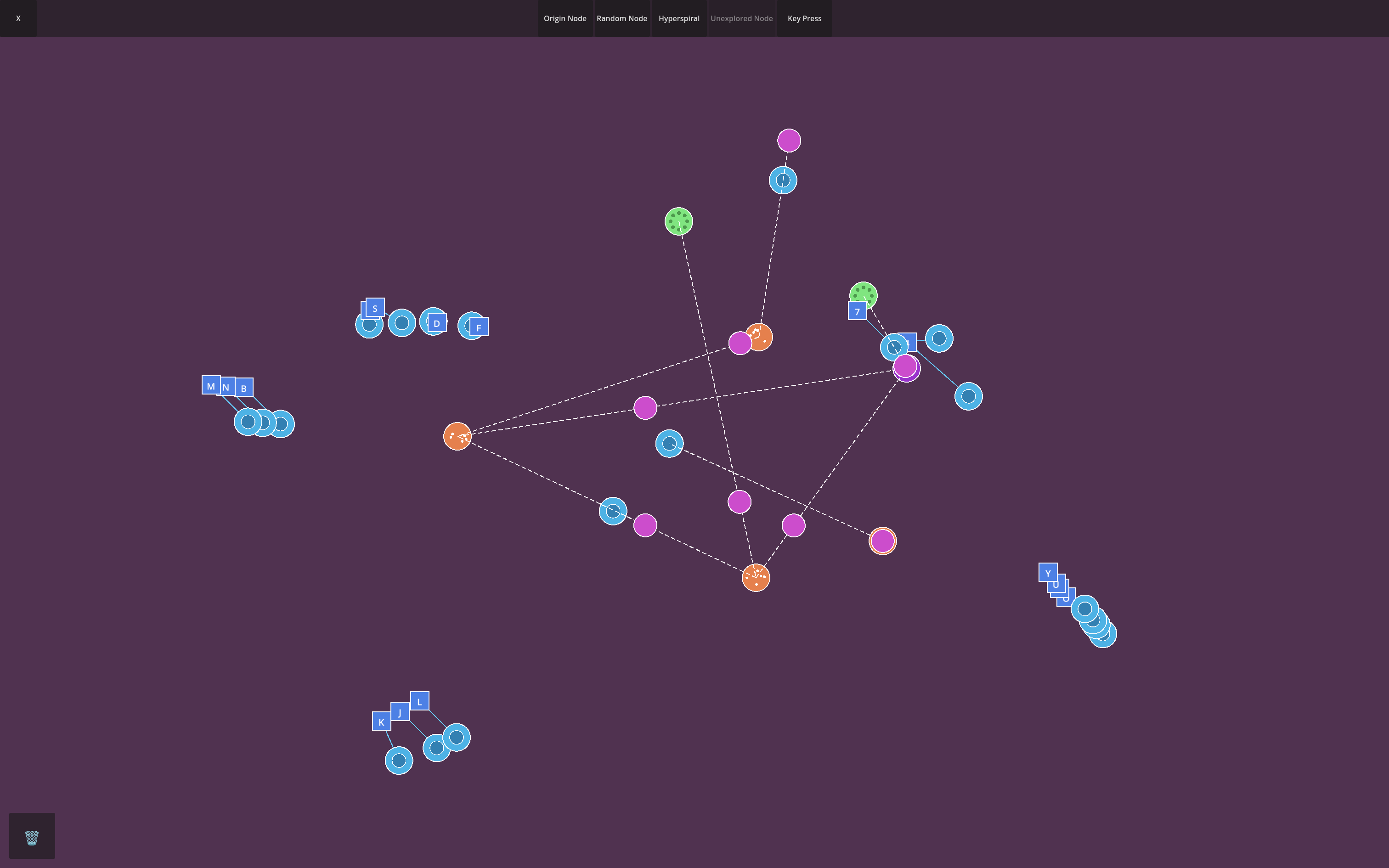
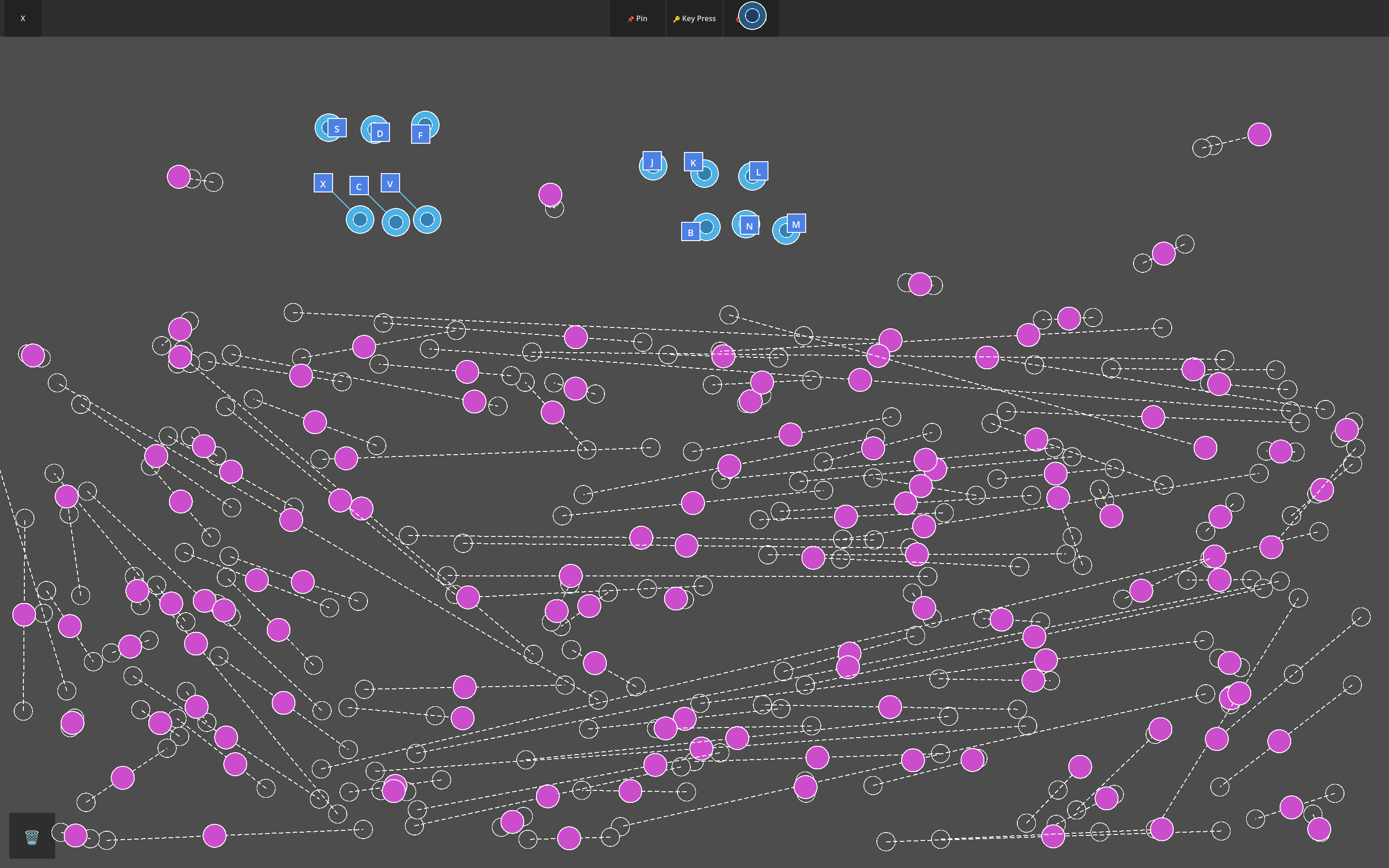
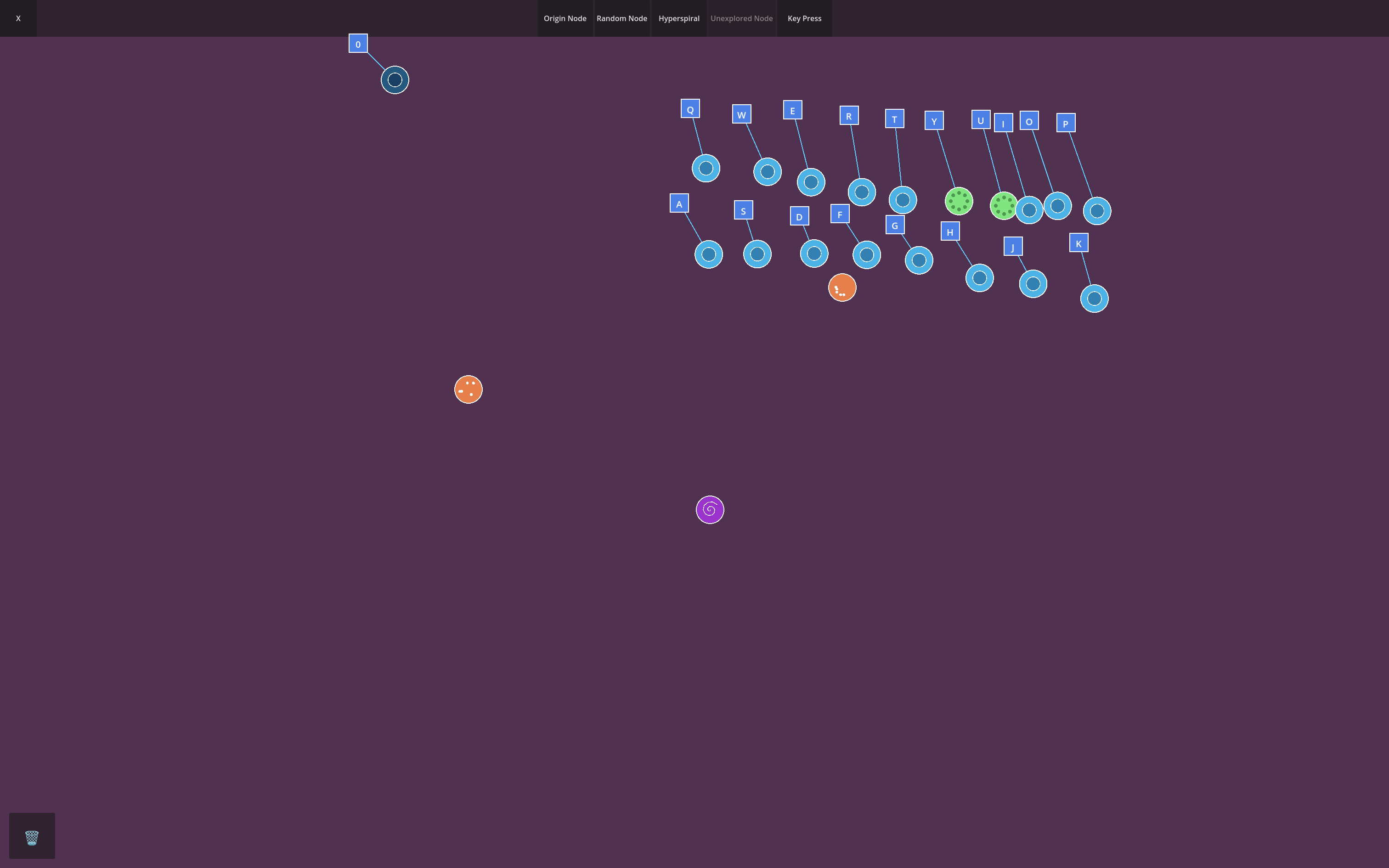
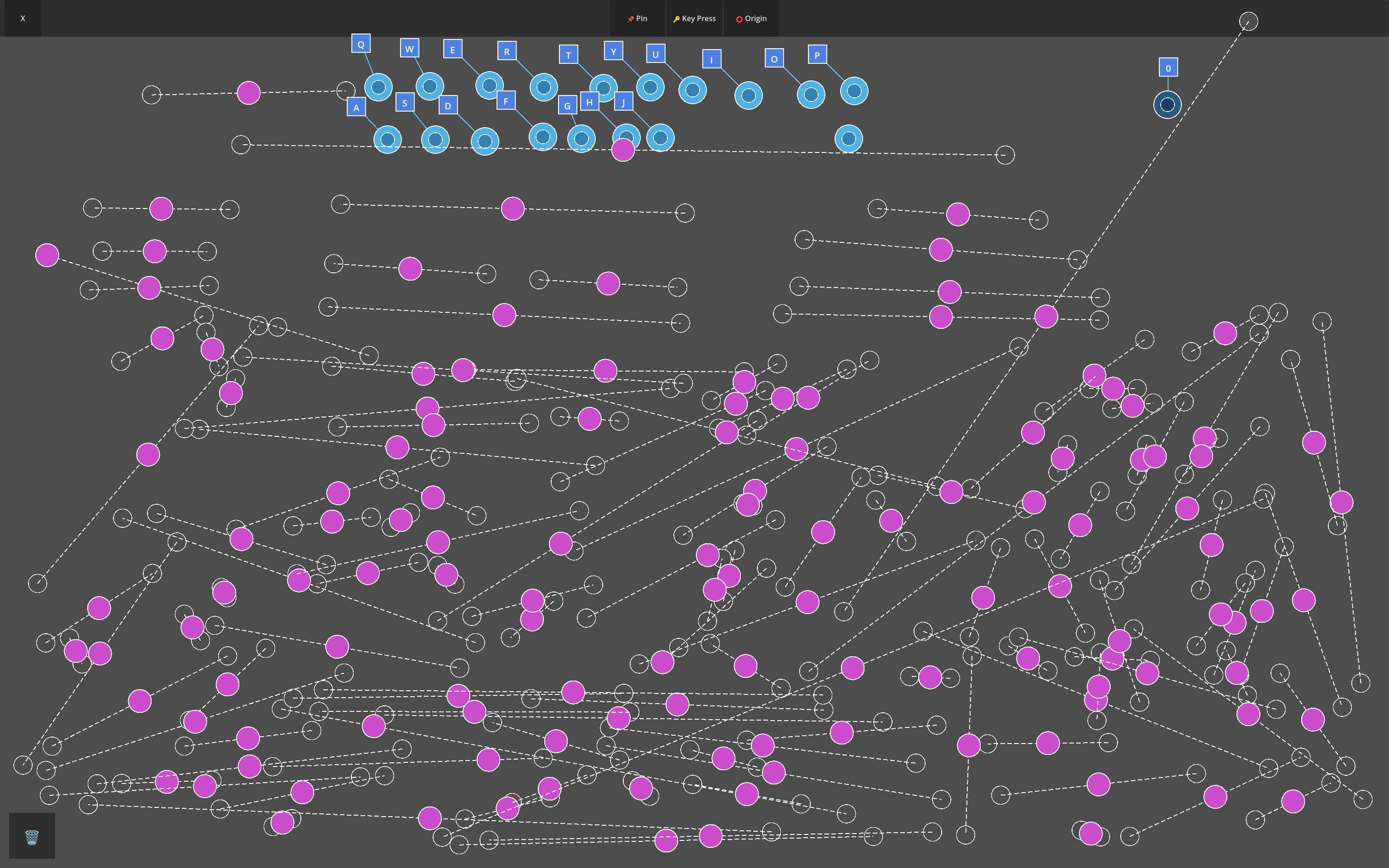
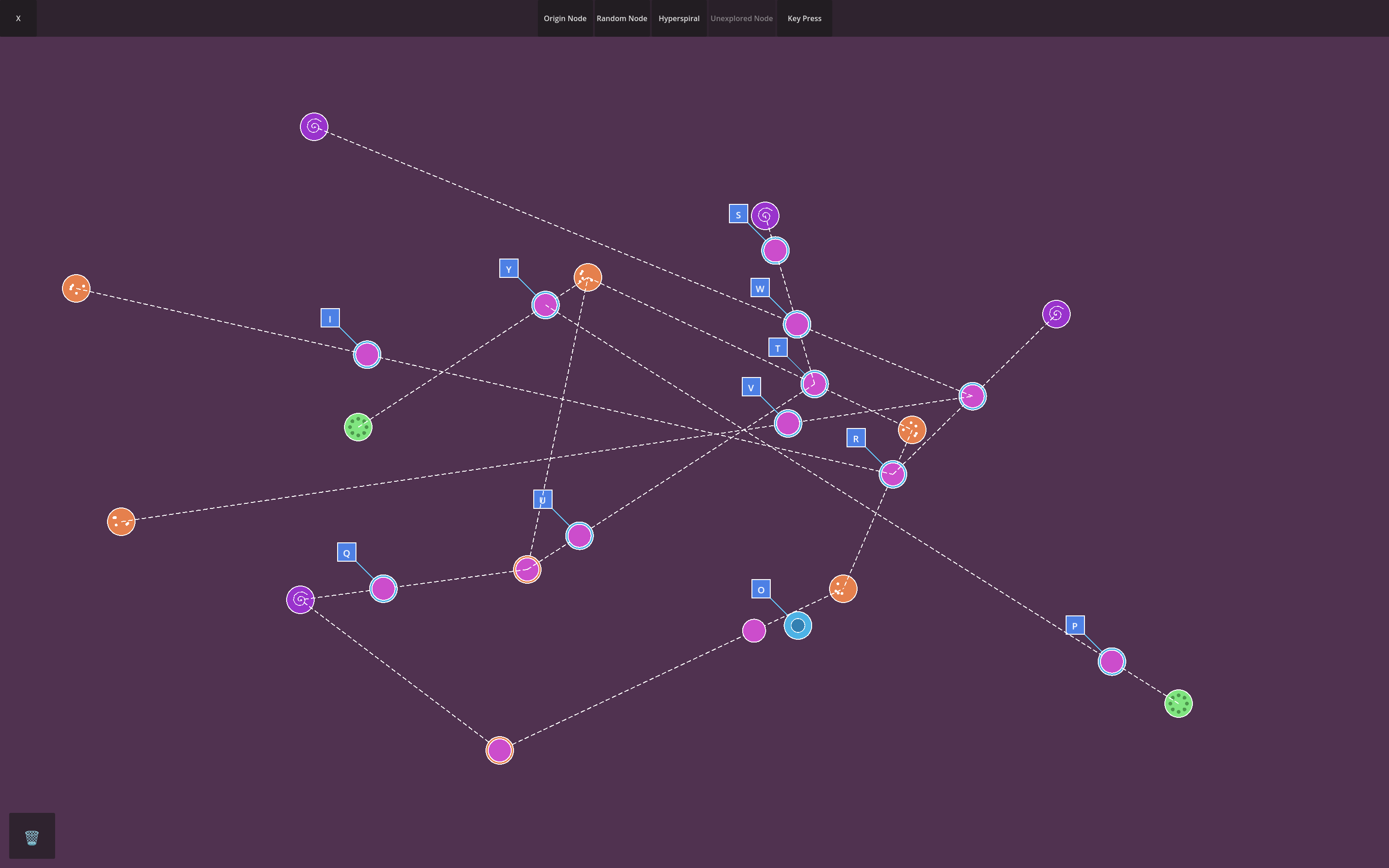
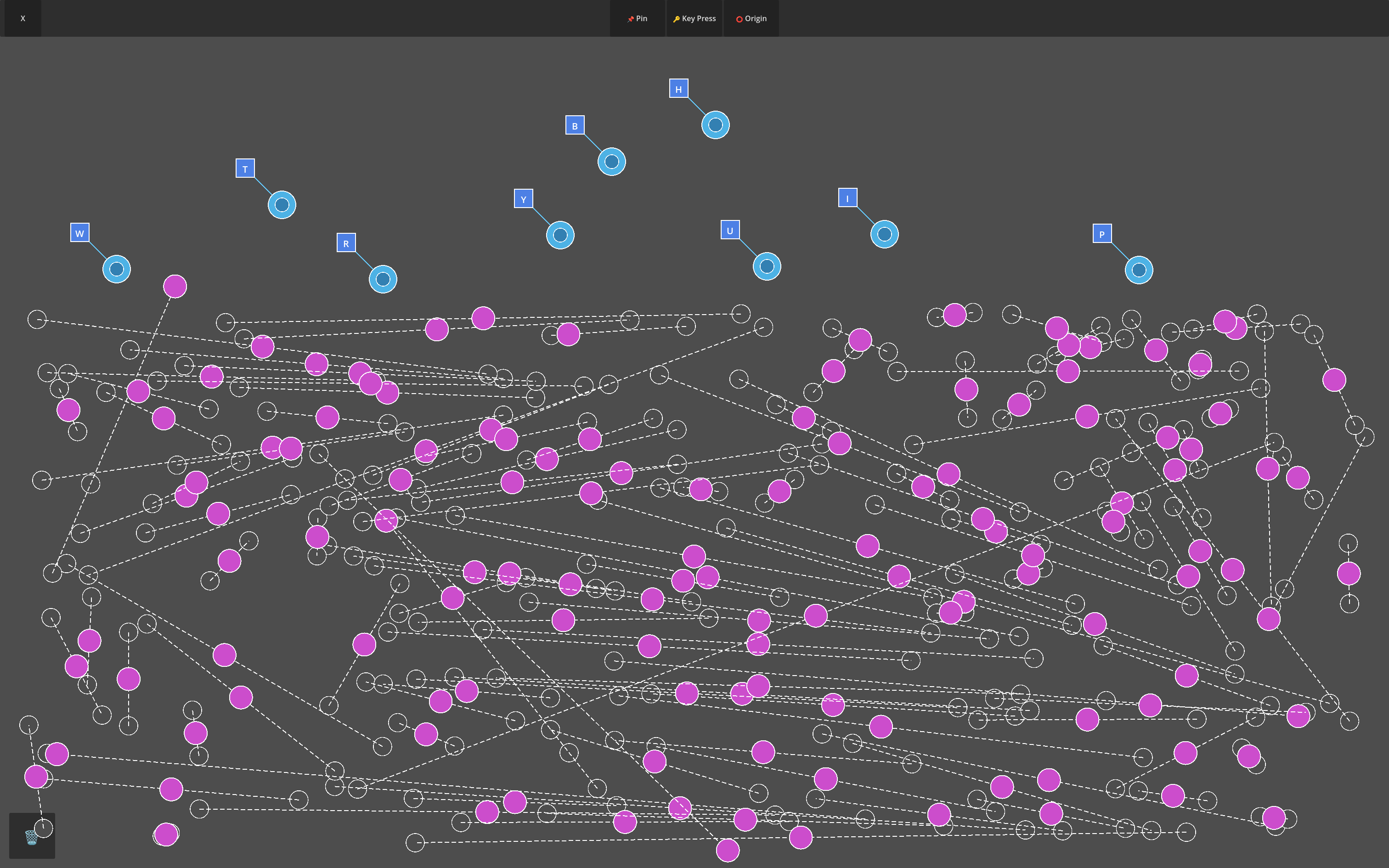
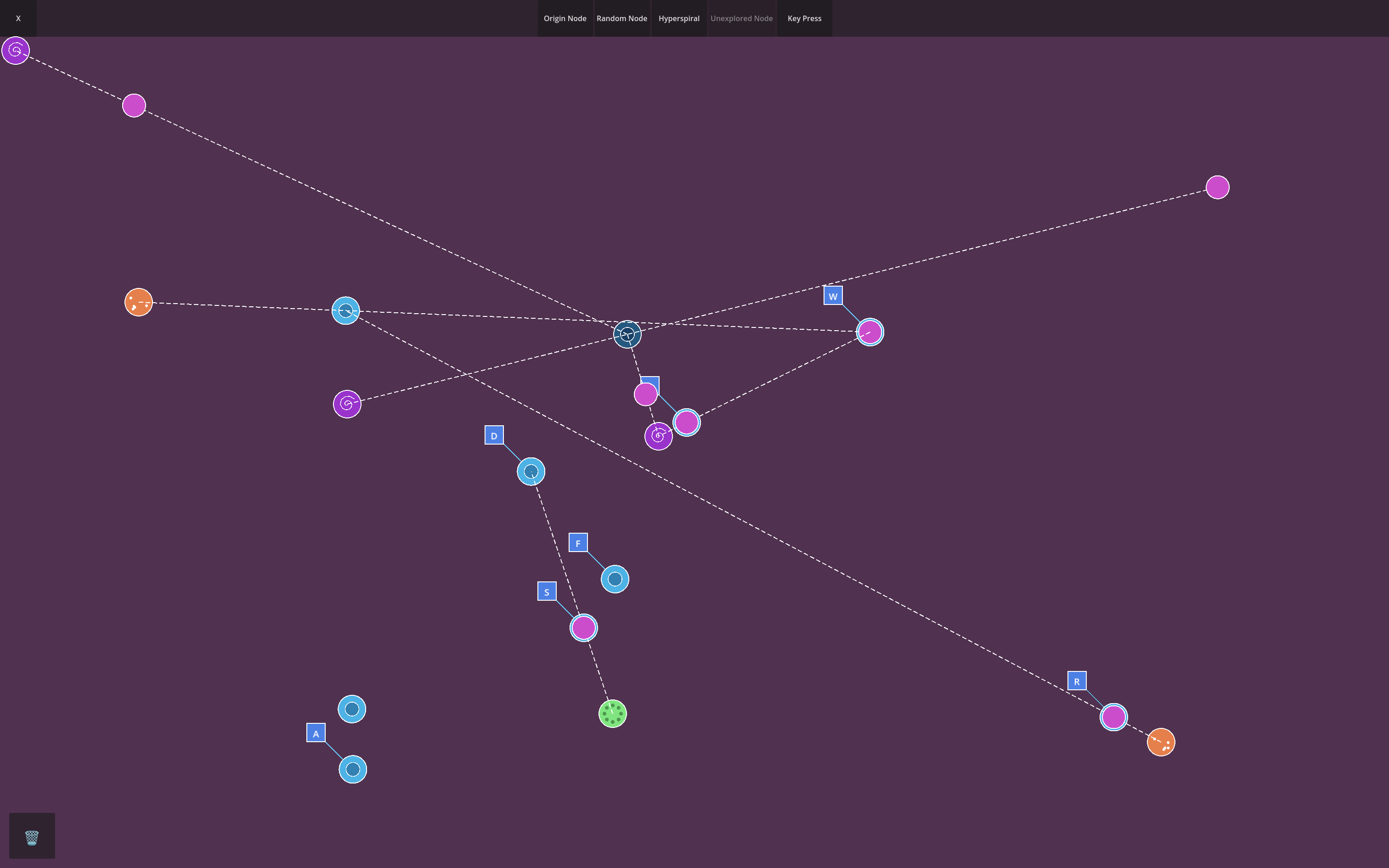
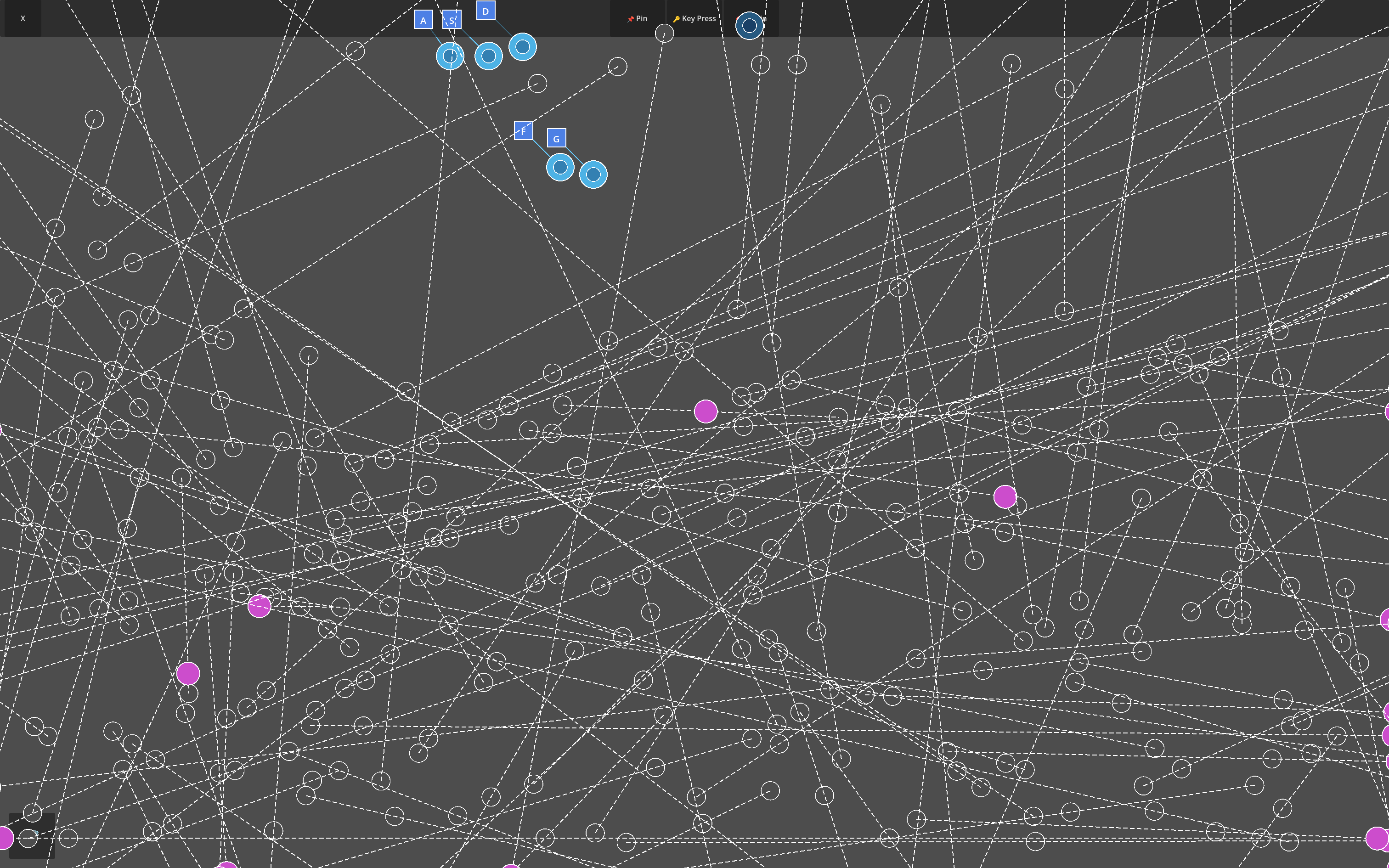
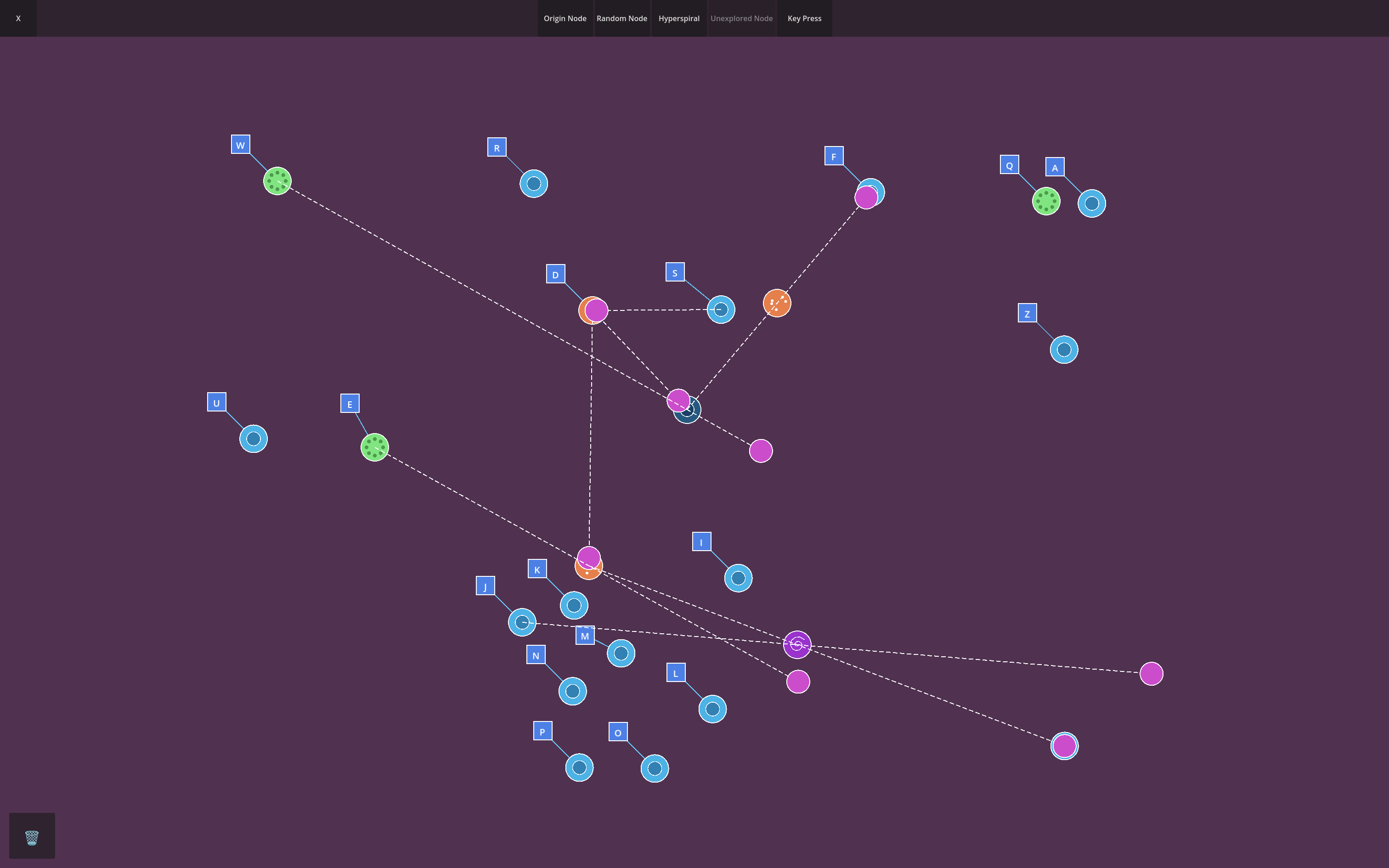
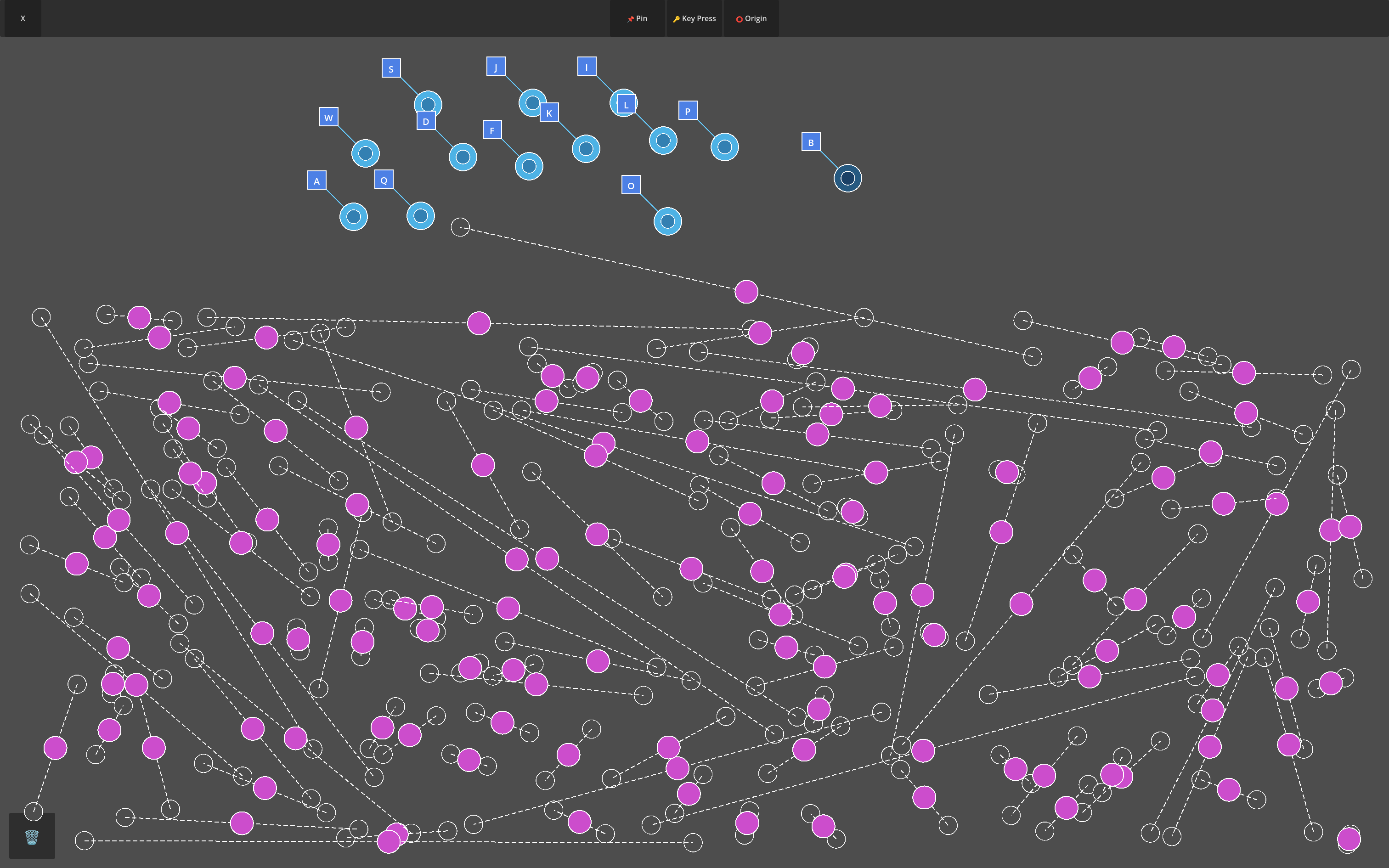
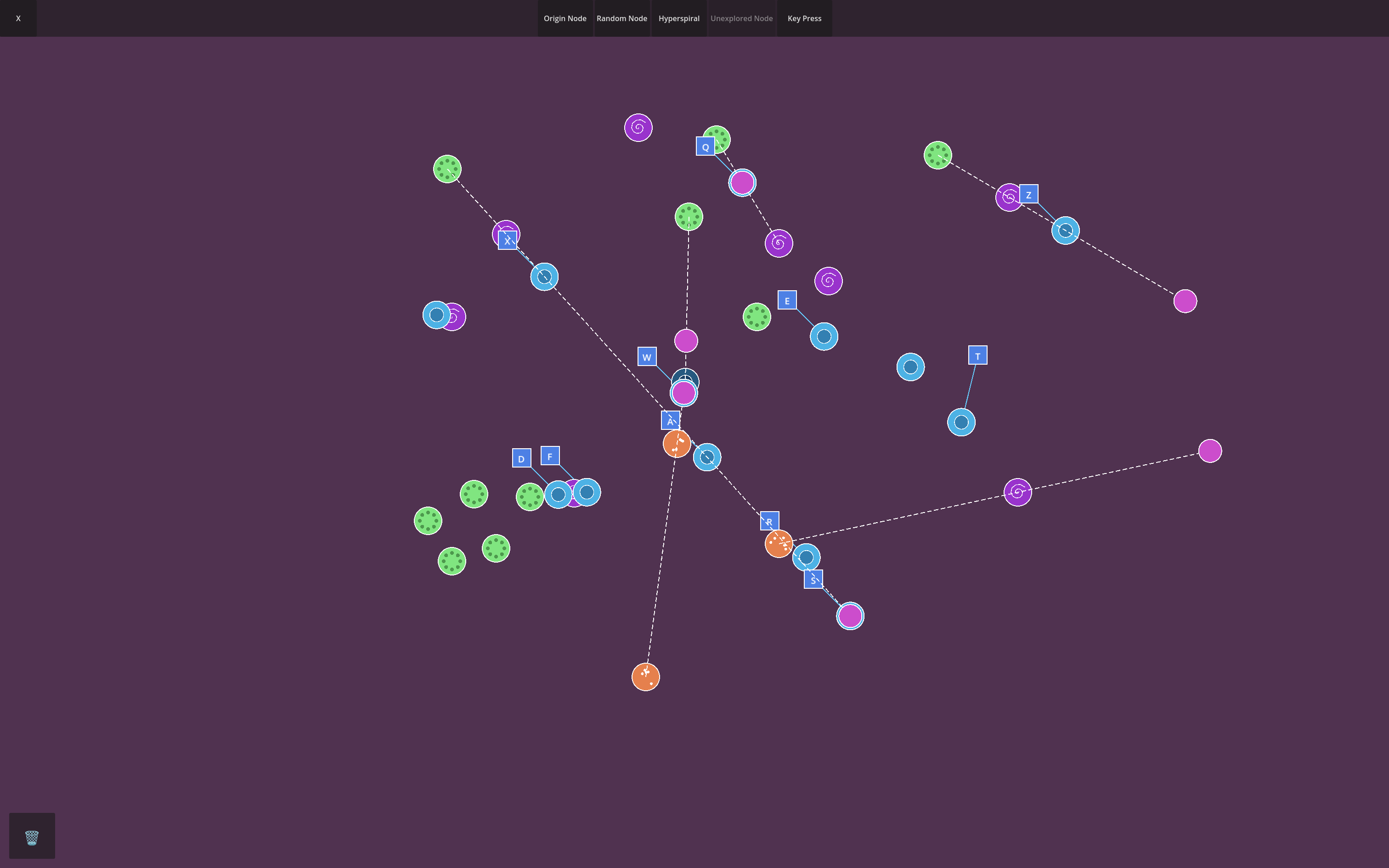
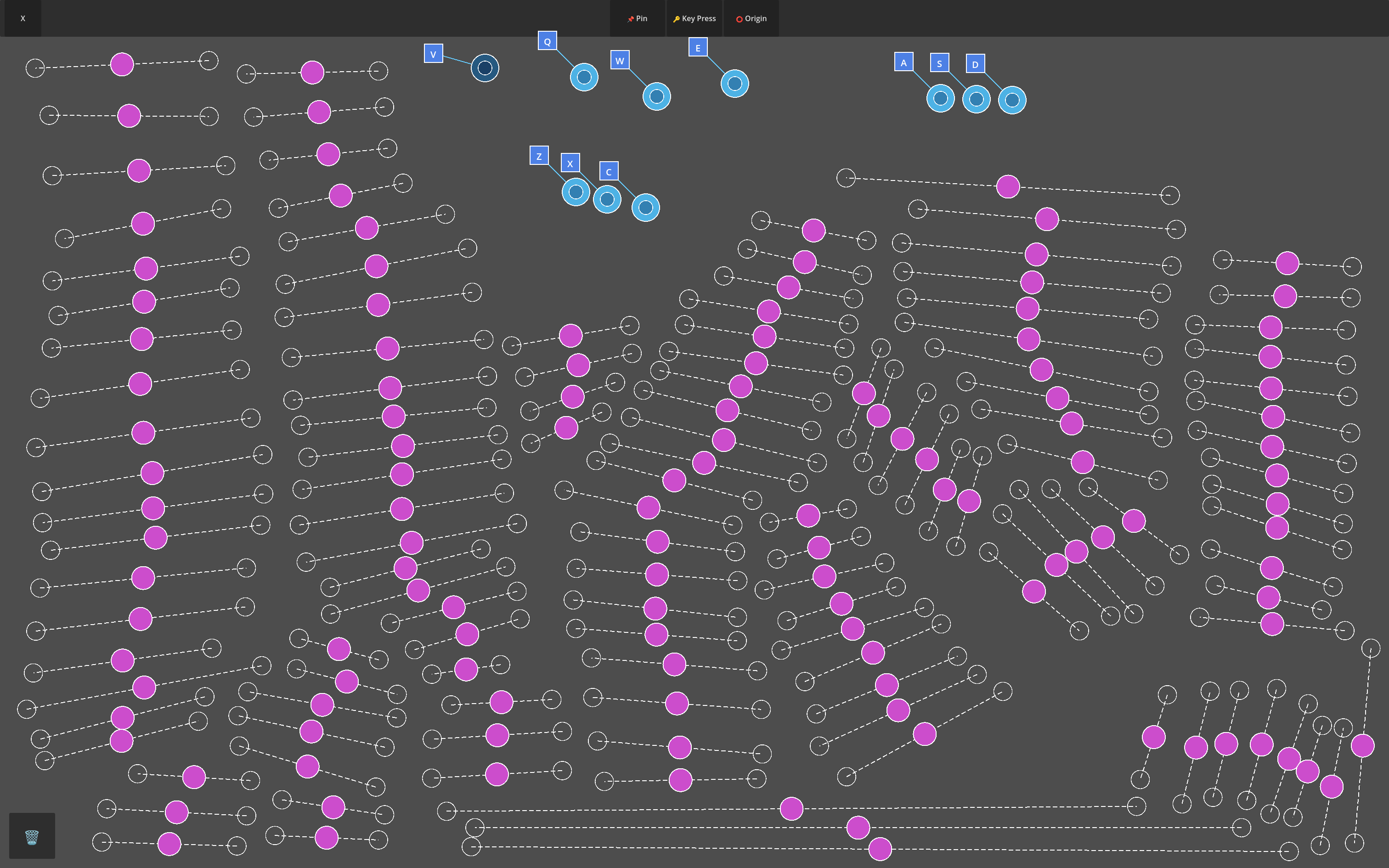
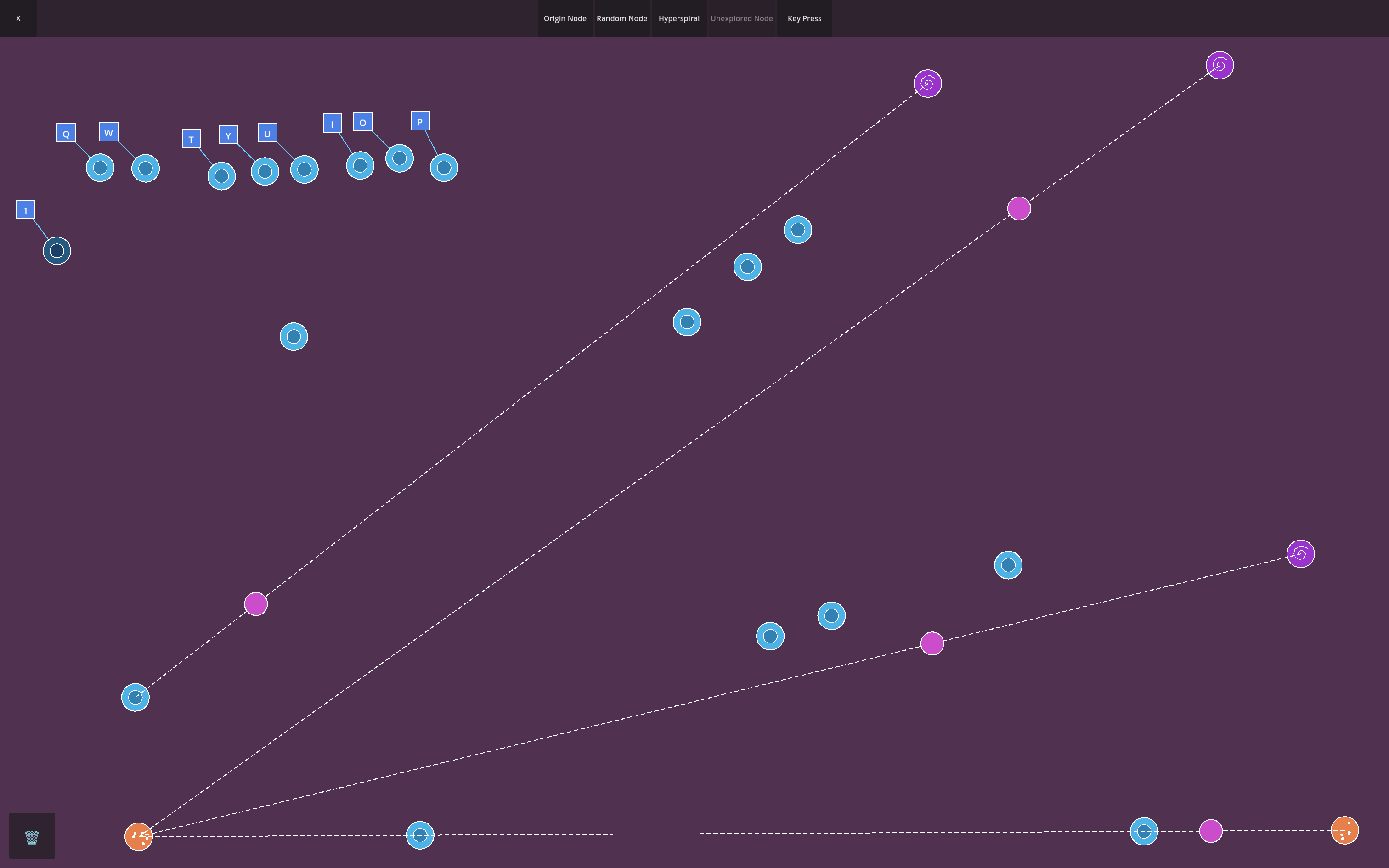
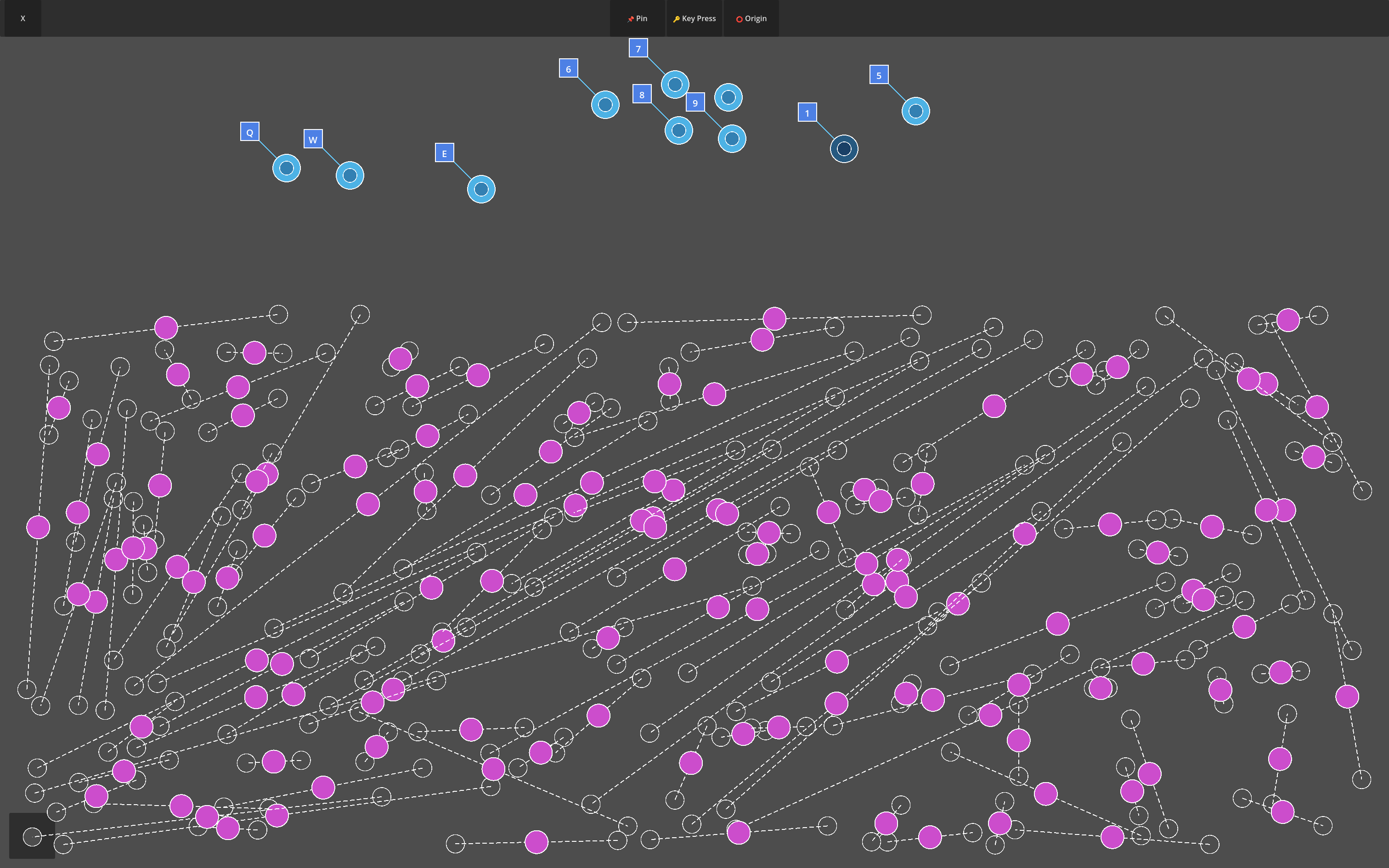
The state of the interface at the end of each condition, for all sixteen participants. Click any image for the full-resolution screenshot.
-
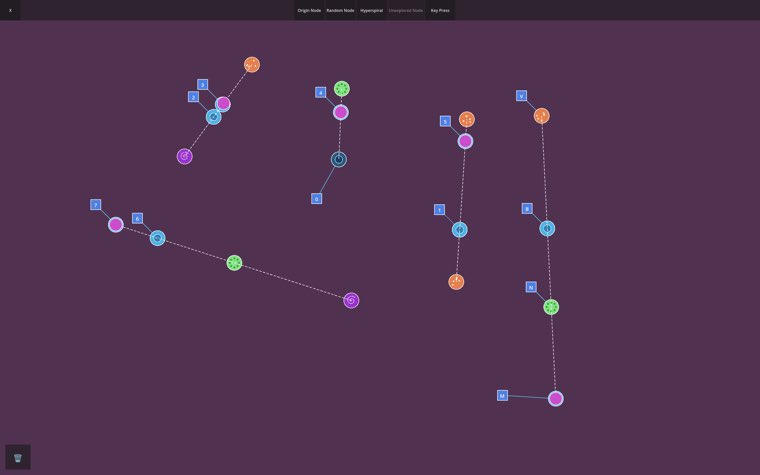 p01node
-
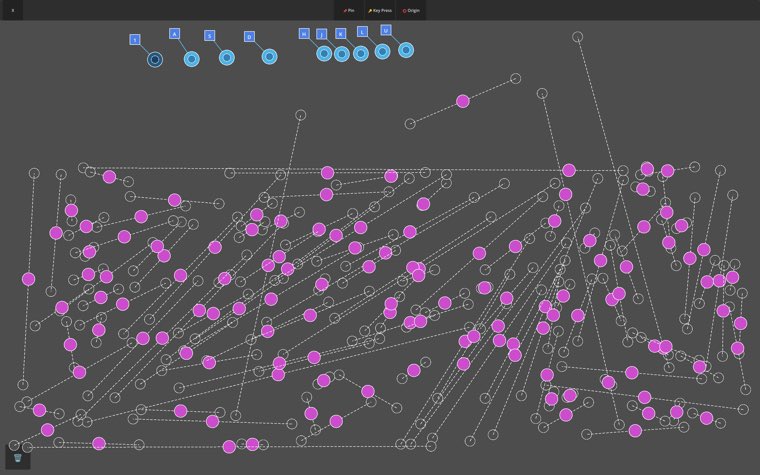 p01slider
-
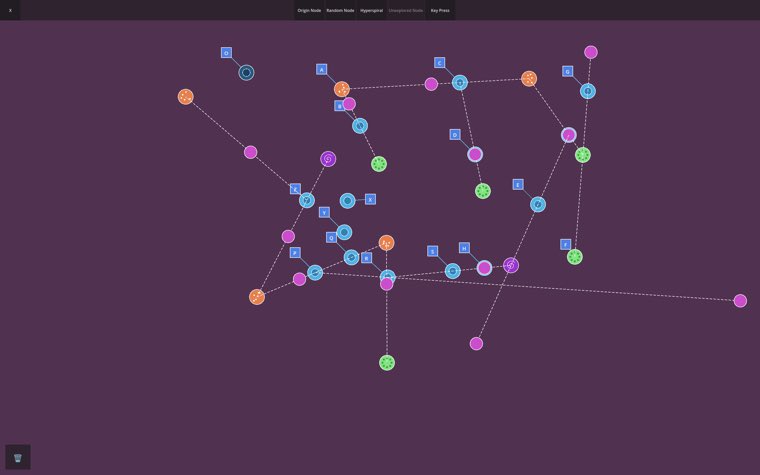 p02node
-
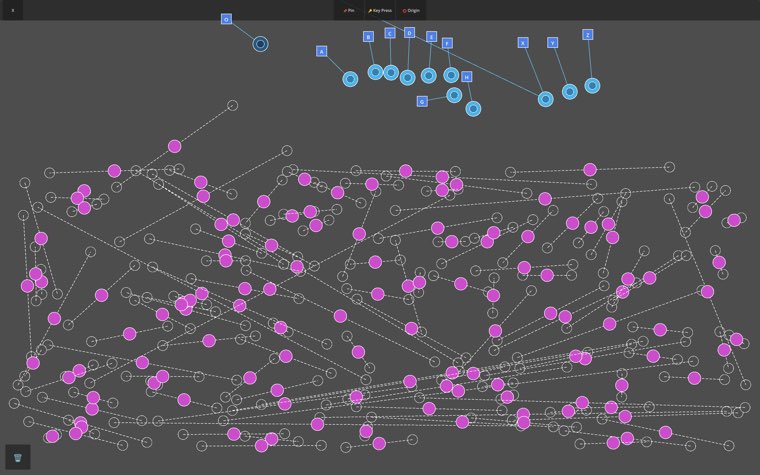 p02slider
-
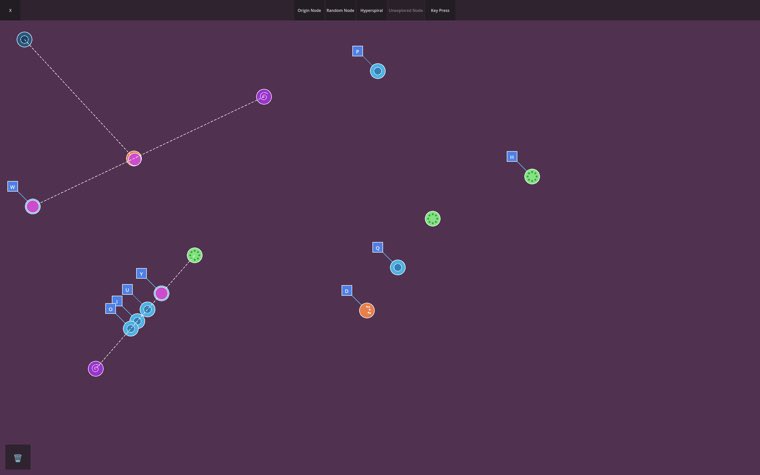 p03node
-
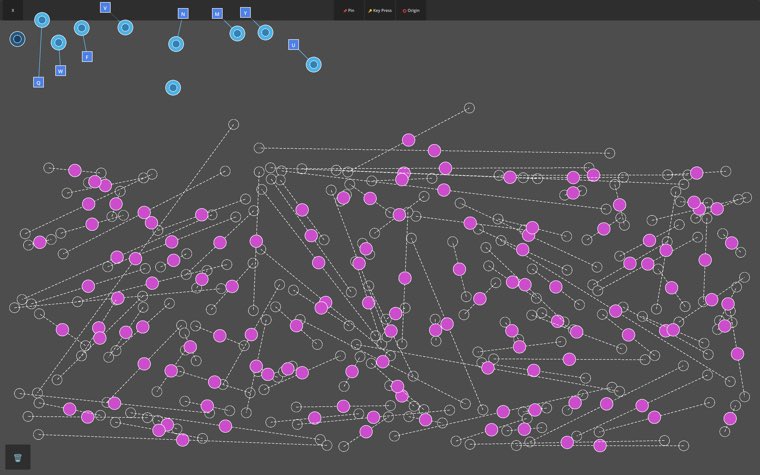 p03slider
-
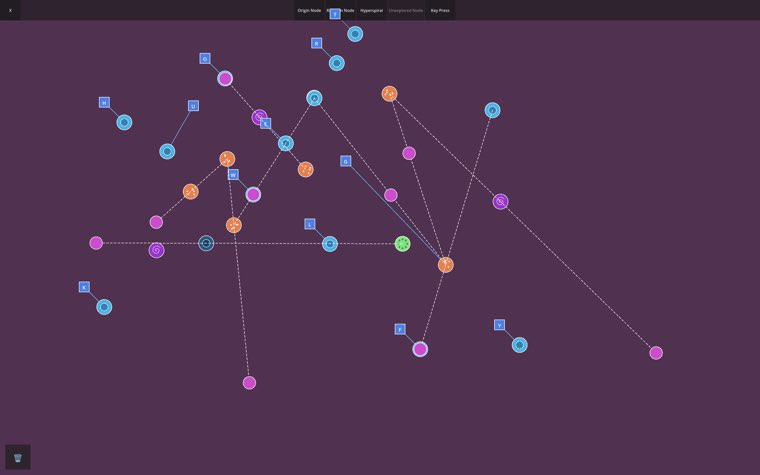 p04node
-
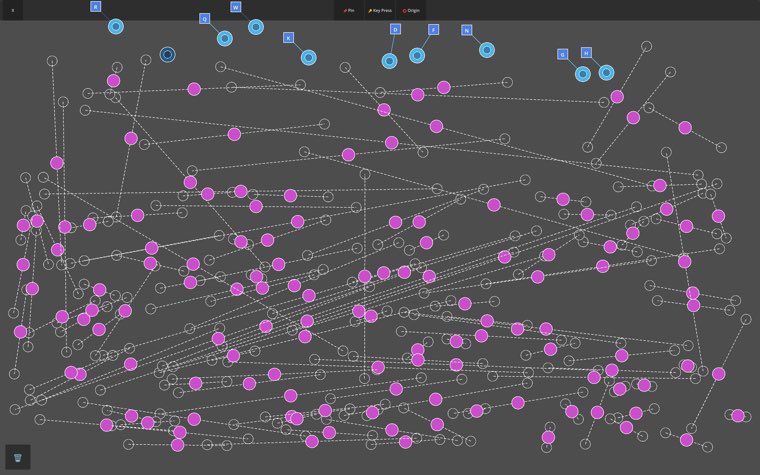 p04slider
-
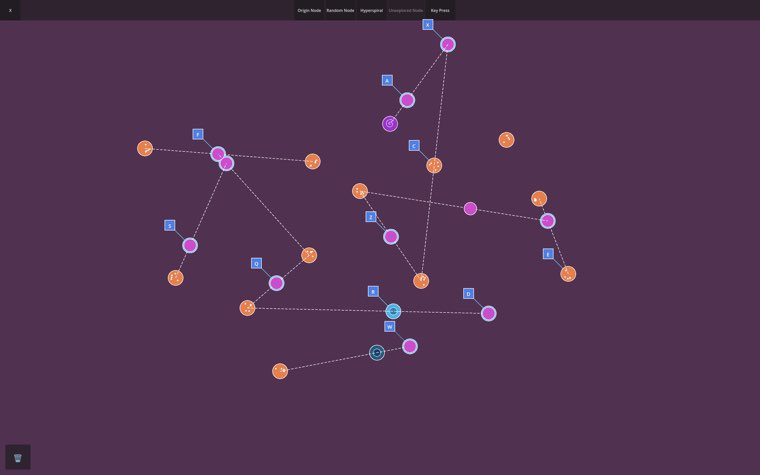 p05node
-
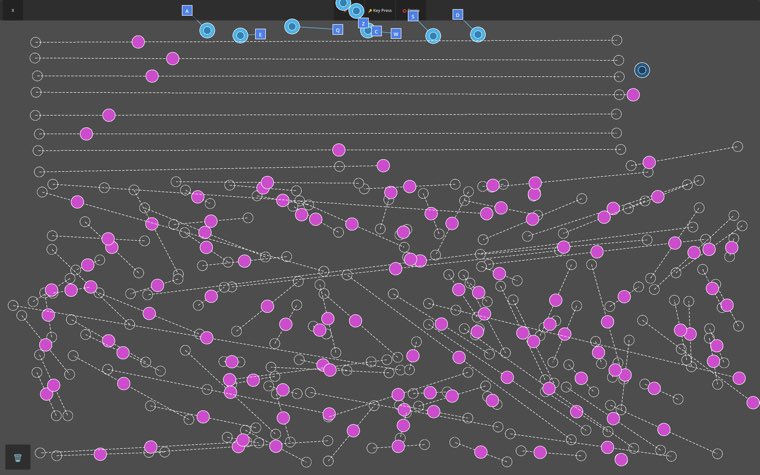 p05slider
-
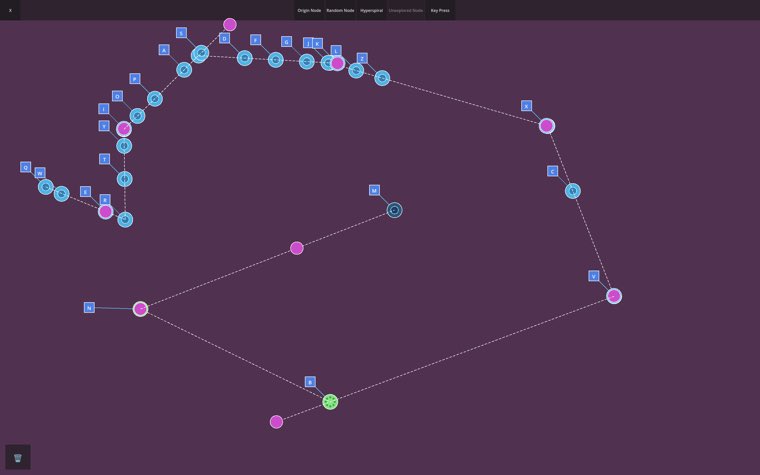 p06node
-
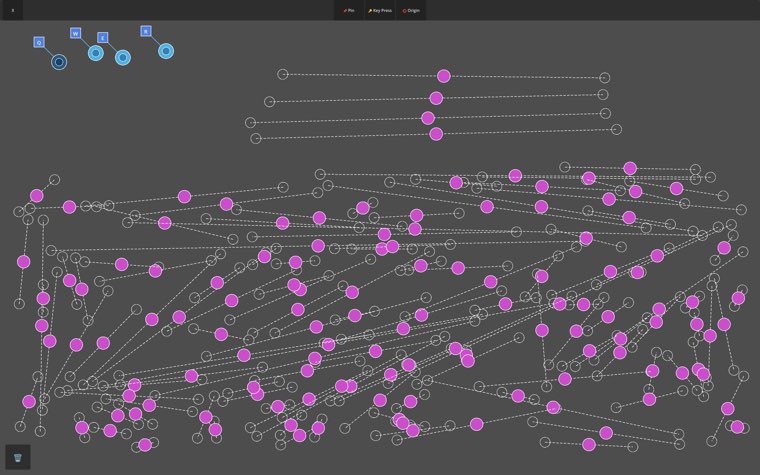 p06slider
-
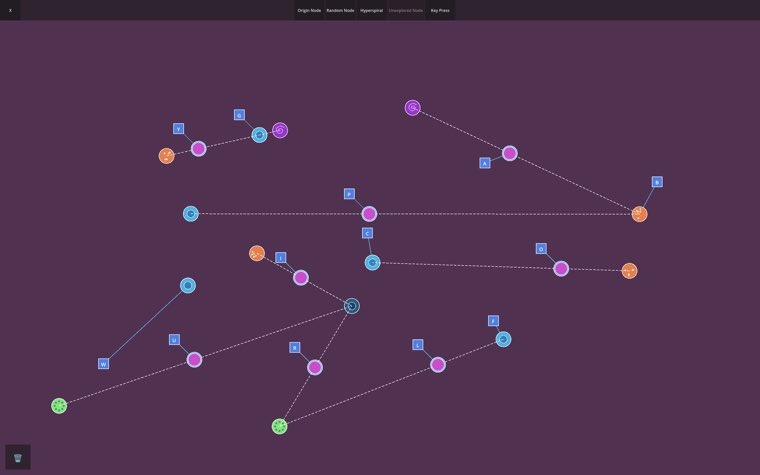 p07node
-
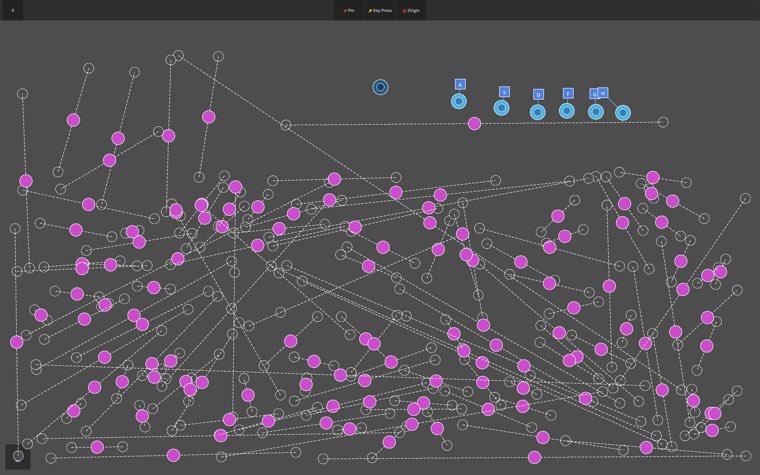 p07slider
-
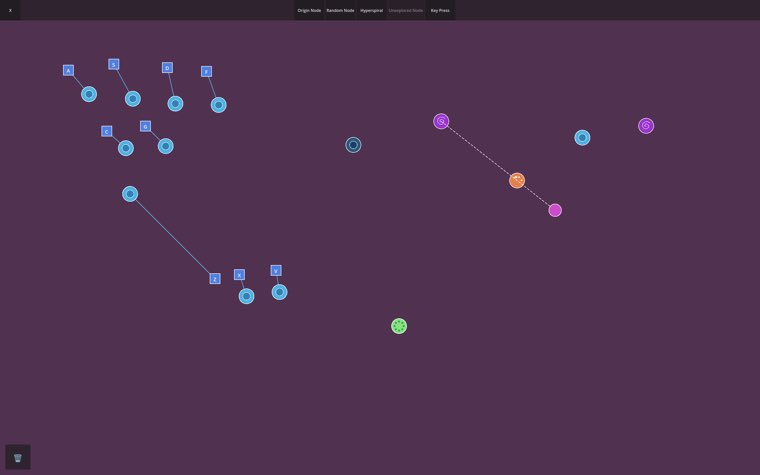 p08node
-
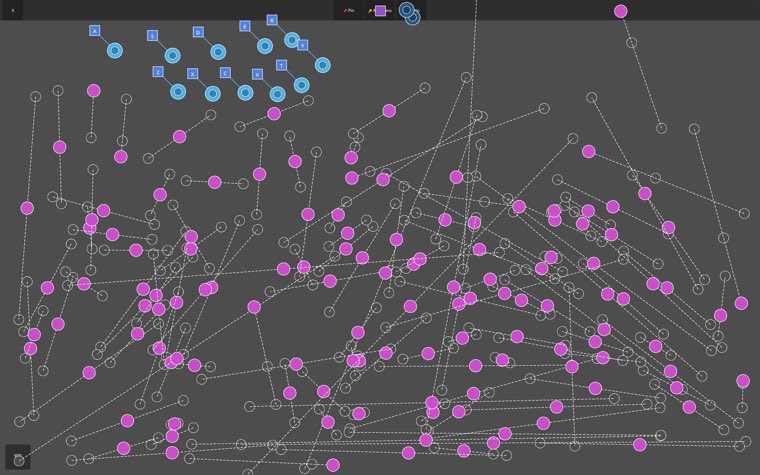 p08slider
-
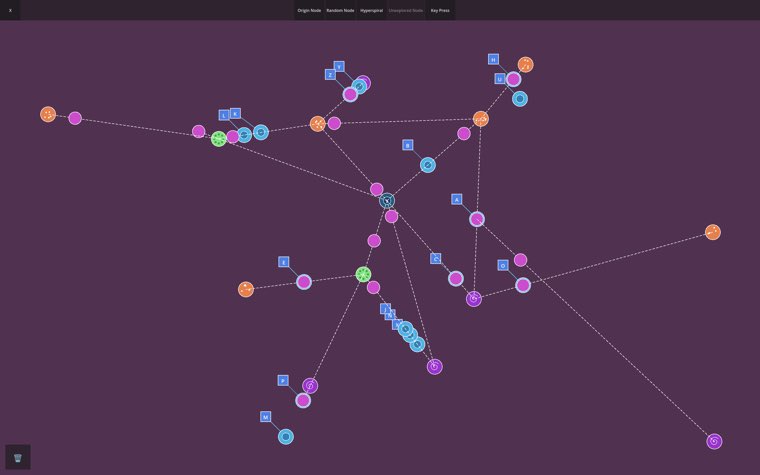 p09node
-
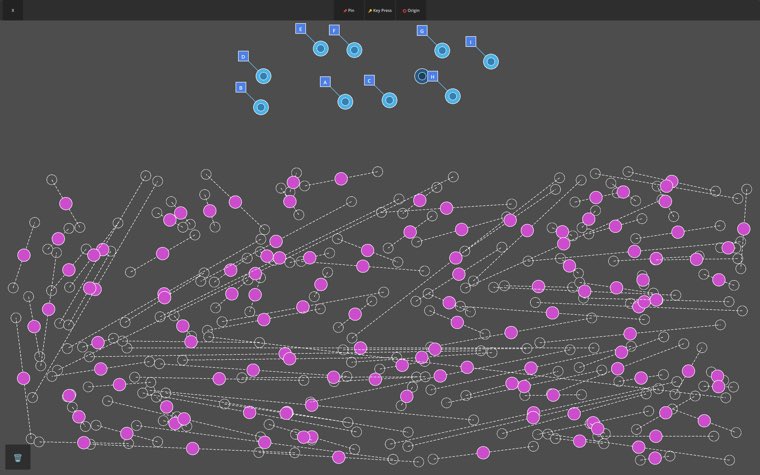 p09slider
-
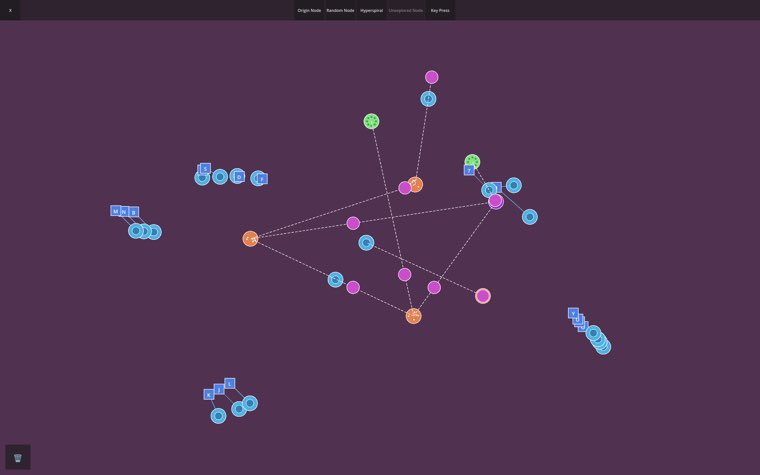 p10node
-
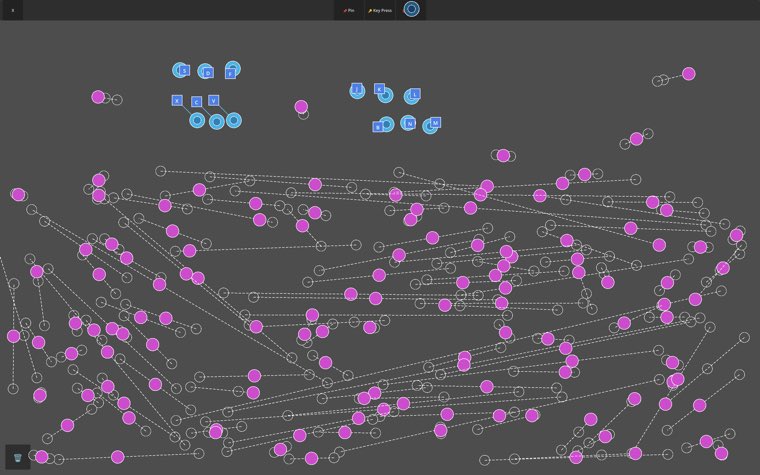 p10slider
-
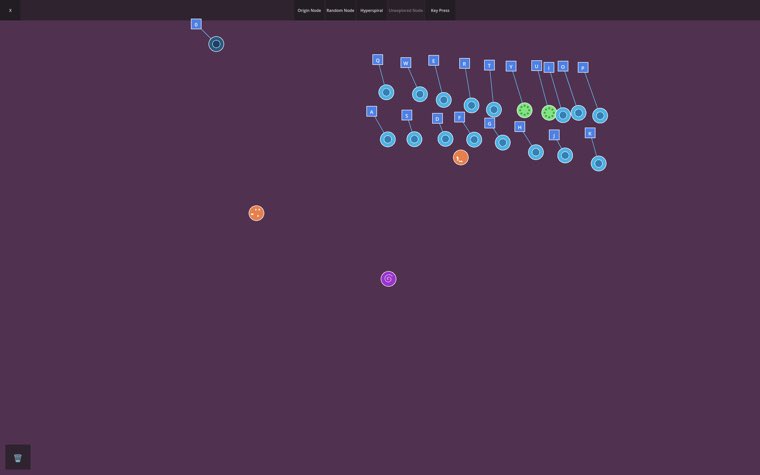 p11node
-
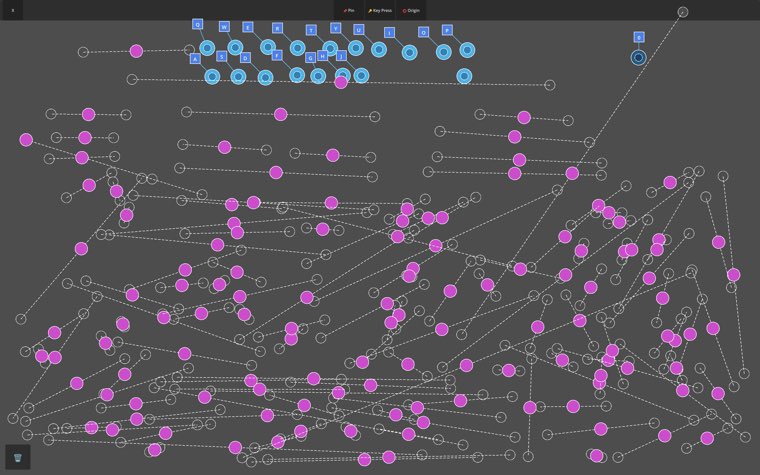 p11slider
-
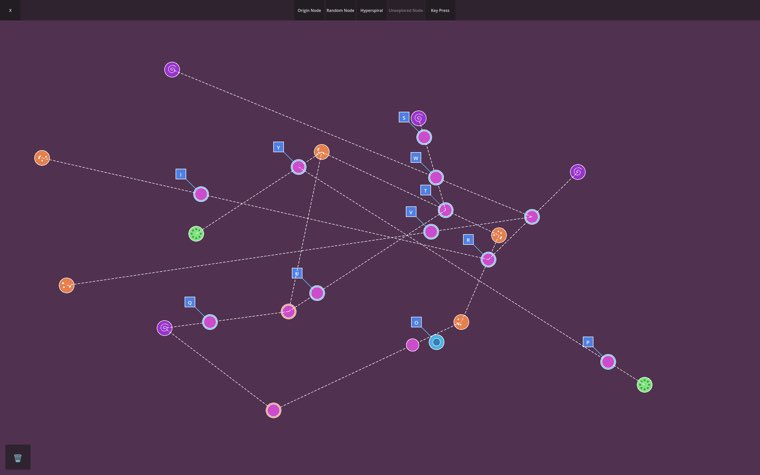 p12node
-
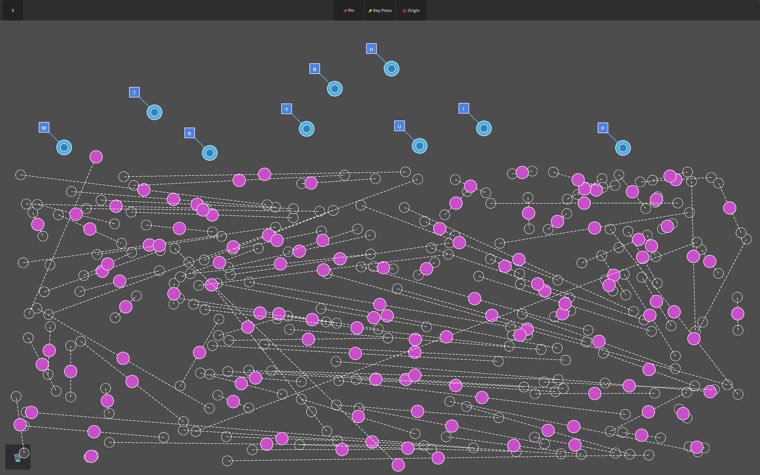 p12slider
-
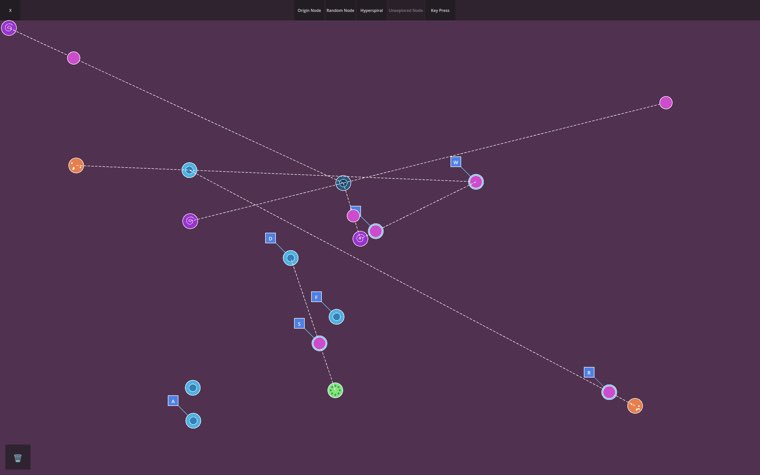 p13node
-
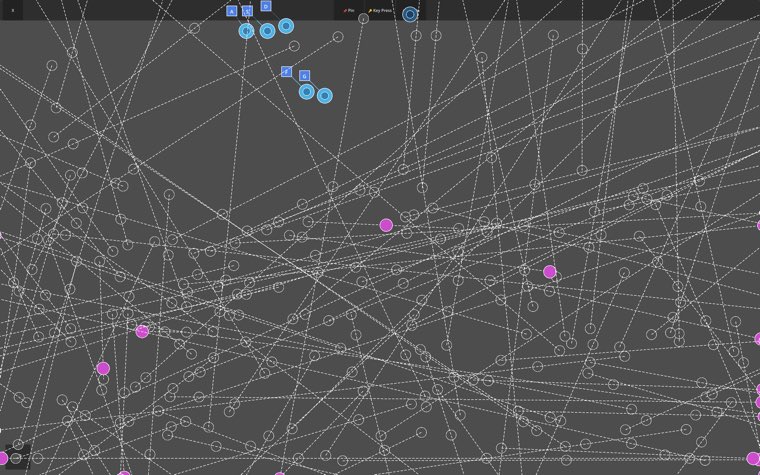 p13slider
-
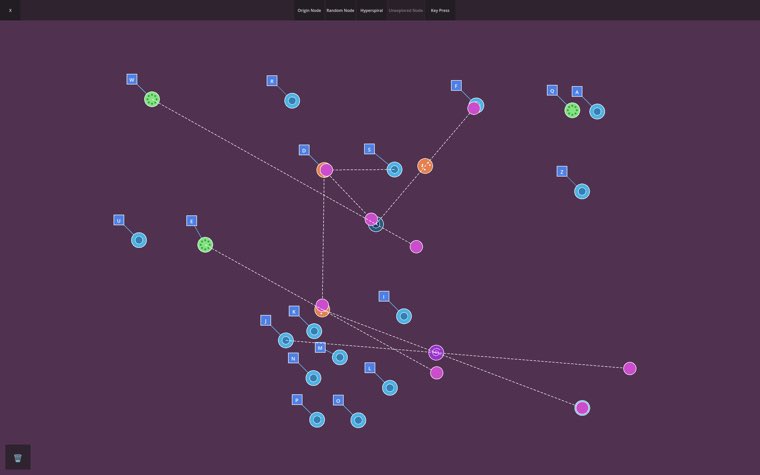 p14node
-
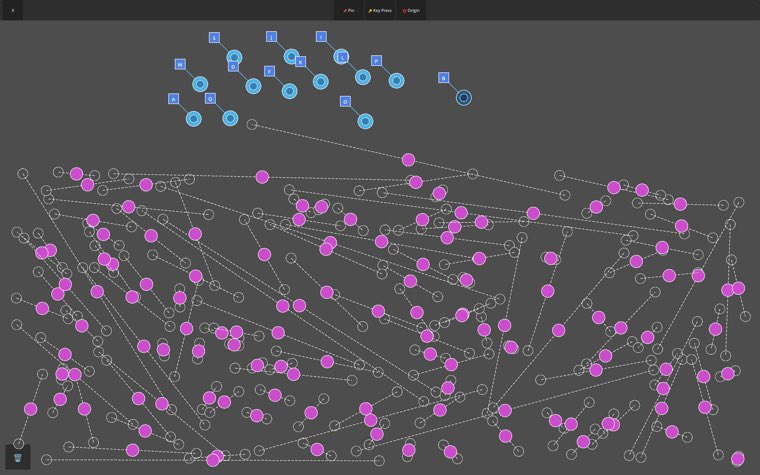 p14slider
-
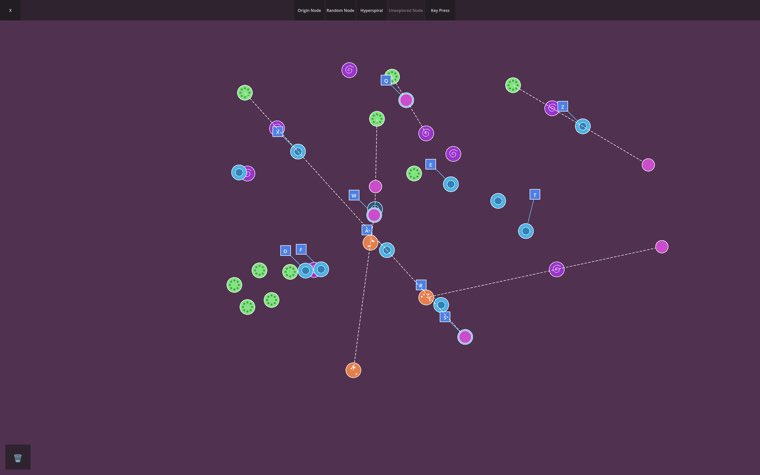 p15node
-
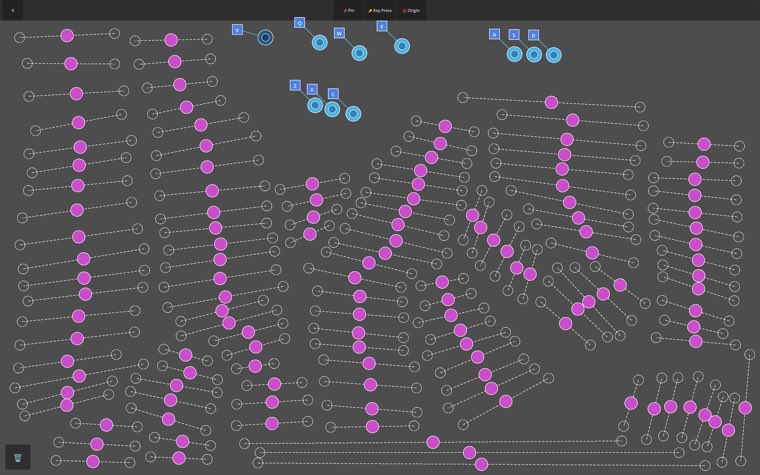 p15slider
-
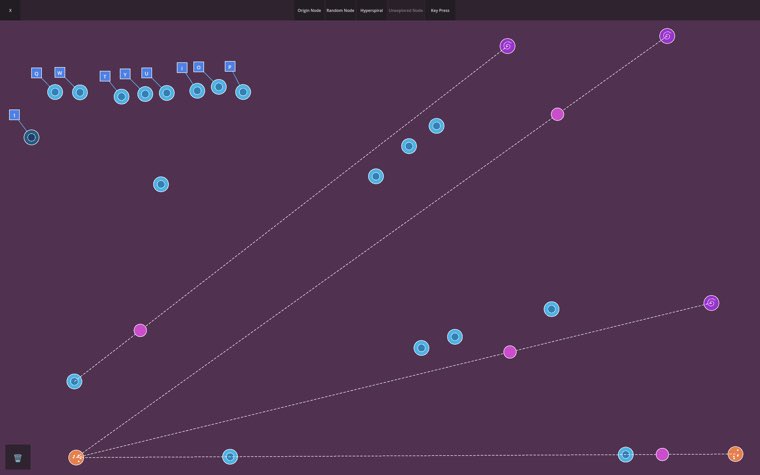 p16node
-
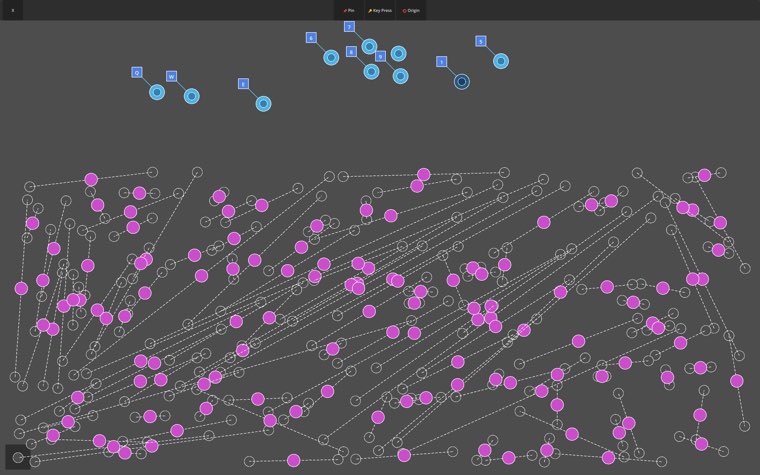 p16slider